
Quick SummaryAsbestos in popcorn ceilings can create serious health risks when disturbed or deteriorated over time. Many older homes, apartments, schools, and commercial buildings contain textured ceilings installed between 1950 and 1980 that may include asbestos fibers. Identifying these materials depends on building age, surface texture, and overall condition. Professional asbestos removal services manage testing, containment, and removal in both residential and commercial environments, especially when dealing with asbestos in popcorn ceilings. |
Introduction
Popcorn ceilings were a common interior design choice in mid-century homes and public buildings, prized for their soundproofing qualities and ability to hide imperfections. Some of these ceilings contain asbestos, a naturally occurring mineral fiber that becomes harmful when airborne.
Even if the ceiling looks intact, aging, renovations, or water damage can release fibers that threaten indoor air quality and health. Our safe and professional asbestos removal services identify and remove asbestos in popcorn ceilings, using strict safety measures to protect occupants.
In this post, we’ll explain the signs your popcorn ceiling might contain asbestos.
What Are Popcorn Ceilings?
Popcorn ceilings are textured ceiling treatments applied as a spray or paint-on finish, often white or light-colored with small dot indentations. These surfaces were popular from the 1950s through the 1980s for their noise-reducing properties and aesthetic appeal.
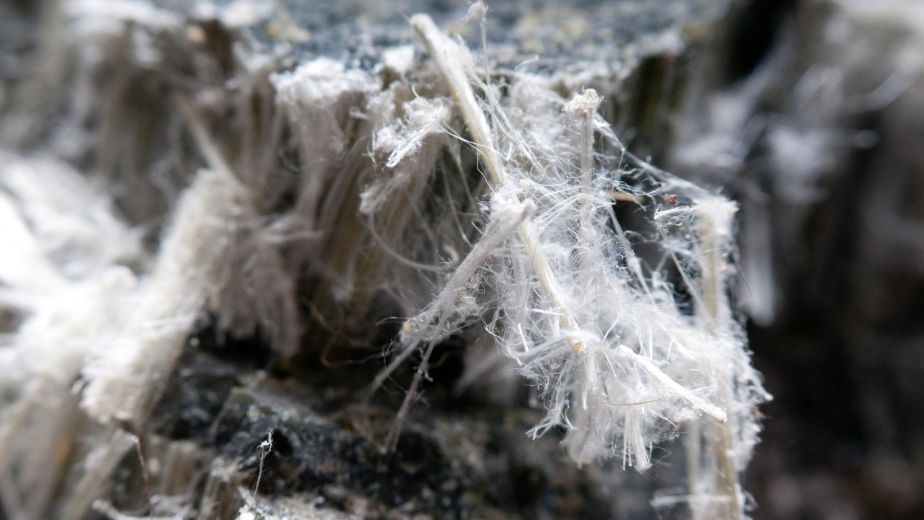
Many homes and public buildings, including schools and government structures, still contain these ceilings today. Popcorn ceilings that contain asbestos are considered friable, which means the material can release fibers easily when disturbed.
Why Asbestos Was Used in Popcorn Ceilings
Asbestos was commonly added to ceiling materials because of its heat resistance, durability, and fire-retardant properties. It helped ceilings maintain structural stability, reduce cracking, and create a consistent surface finish over time. Although regulatory restrictions now limit asbestos use, older installations remain a concern.
Any ceiling installed before the mid-1980s may contain asbestos in popcorn ceilings, especially in buildings that have not undergone renovation. Even light maintenance, moisture exposure, or natural aging can disturb materials and release fibers.
Signs Your Popcorn Ceiling May Contain Asbestos
Ceilings installed before 1980 are the most likely to contain asbestos. Popcorn textures that feel rough, bumpy, or powdery are often indicators. Fire-rated ceilings or those installed in commercial or municipal buildings also carry a higher probability of containing asbestos.
While visual cues can suggest the presence of asbestos, testing by a licensed professional is required for confirmation. Disturbing the ceiling by sanding, drilling, or scraping without professional containment can release harmful fibers.
How Professionals Test for Asbestos
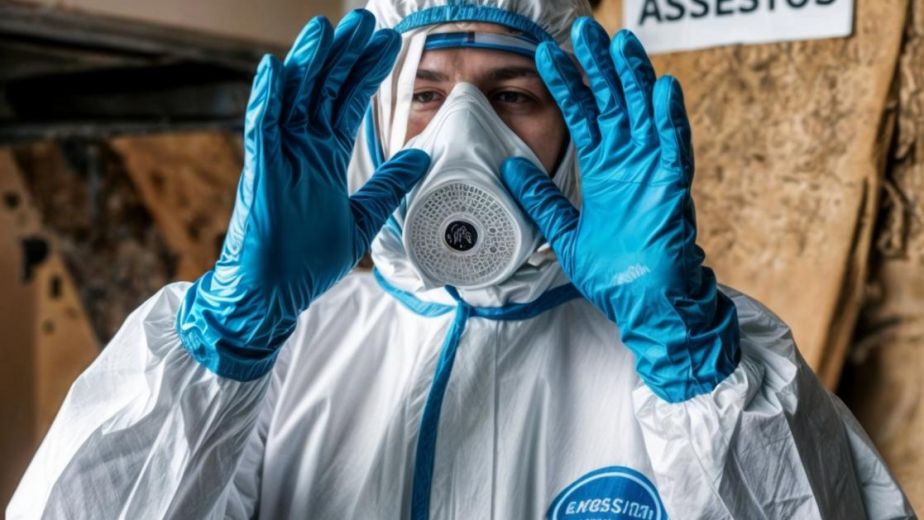
Professional asbestos testing involves careful sample collection to avoid spreading fibers. The area is typically evacuated, and protective clothing is worn by inspectors.
Heating and cooling systems may be temporarily shut down to prevent airborne spread. Inspectors wet the area before sampling and collect material from the full depth of the textured ceiling, then seal it in a labeled container.
Samples are sent to laboratories accredited by the National Voluntary Laboratory Accreditation Program to ensure accurate analysis. This thorough process is designed to protect occupants while determining the presence of asbestos.
What to Do If Asbestos Is Confirmed
If testing confirms asbestos in popcorn ceilings, the condition and likelihood of disturbance determine the next steps in managing asbestos. Intact, undisturbed ceilings may be monitored, but damaged or friable ceilings require professional removal.
Our team follows EPA, OSHA, and RRP Lead regulations to safely contain, remove, and dispose of asbestos materials. We set up proper containment, use HEPA filtration and protective gear, and conduct post-removal air clearance testing.
Handling asbestos properly prevents exposure, protects health, and complies with environmental and workplace standards.
Health Risks of Disturbing Asbestos Ceilings
Asbestos becomes hazardous when fibers are inhaled. Once airborne, particles can lodge deep in the lungs and remain for years. This potentially leads to serious diseases such as mesothelioma, asbestosis, and lung cancer.
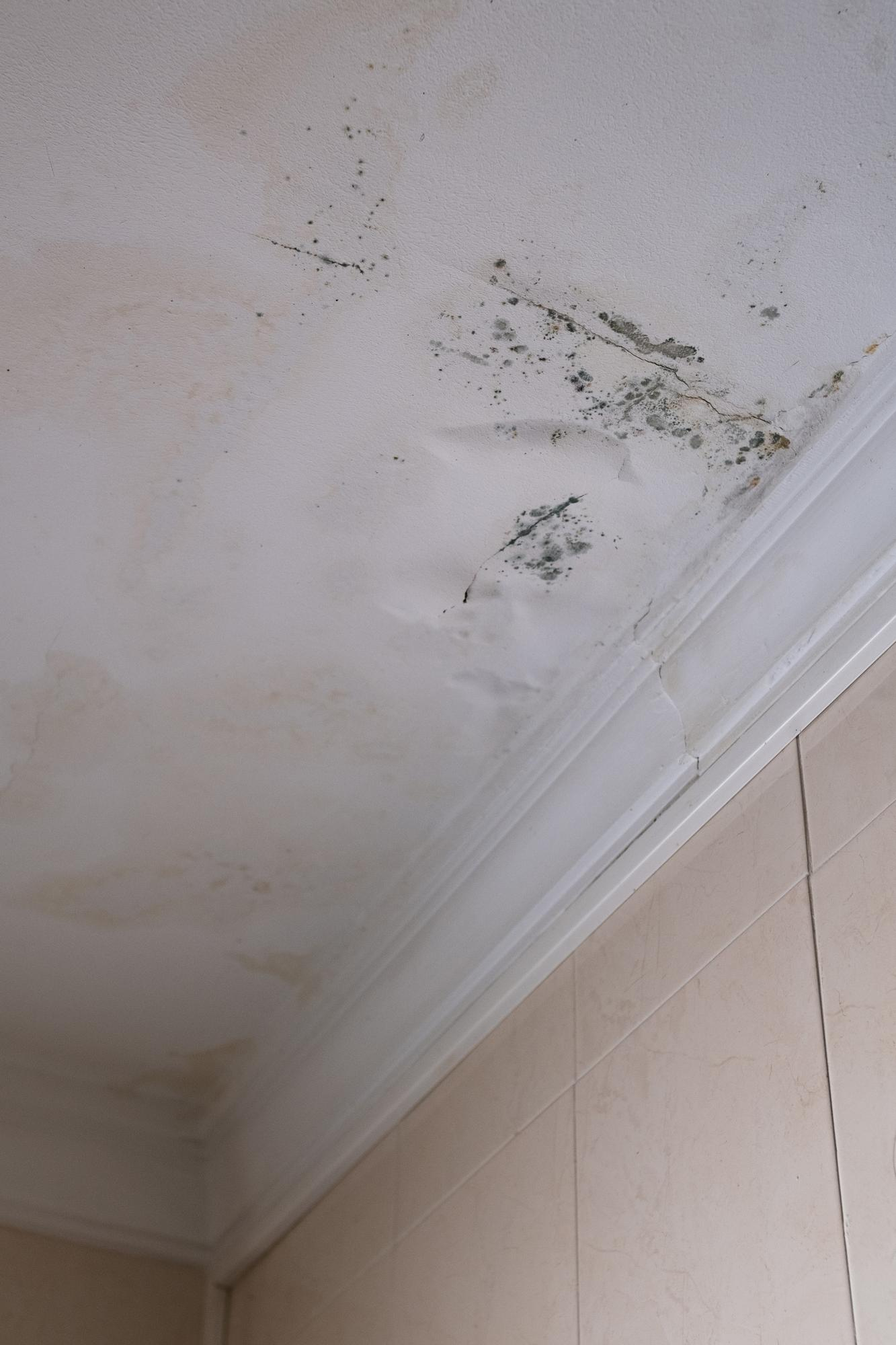
Renovation work, water damage, or natural deterioration can disturb even stable ceilings containing asbestos in popcorn ceilings. Vulnerable groups such as children, older adults, and individuals with respiratory conditions face increased risk from exposure.
Legal and Safety Considerations
Homeowners, landlords, and property managers are responsible for maintaining safe indoor environments. Failure to address damaged ceilings containing asbestos may create legal and health liabilities, especially when asbestos in popcorn ceilings is released due to neglect or disturbance.
Professional remediation helps maintain compliance with safety regulations and reduces exposure risks. Our experience working with schools, municipalities, and residential properties reflects consistent attention to regulatory standards and safe handling practices.
Schedule Safe Asbestos Removal Services Today
Asbestos in popcorn ceilings is a hidden hazard that can threaten health and property.
At New England Surface Maintenance, our team combines experience, safety, and regulatory compliance to remove asbestos completely while protecting occupants. We have completed projects in homes, schools, and municipalities, with attention to detail and thorough remediation.
Schedule our safe and professional asbestos removal services today to restore a clean, safe indoor environment.
FAQs
Intact ceilings pose minimal risk if left undisturbed. Problems arise when ceilings are damaged, sanded, drilled, or water-affected.
No. Attempting DIY removal is dangerous and can release fibers. Our safe and professional asbestos removal services handle testing, containment, and removal according to EPA and OSHA rules.
Post-removal, air clearance testing is performed to confirm safety. Areas are cleaned and restored, making them safe for occupants to re-enter.