
Quick Summary
Many people associate asbestos projects with simply removing hazardous materials, but the process involves much more than that. Asbestos removal contractors manage inspections, containment, worker safety, waste disposal, air quality protection, and regulatory compliance from start to finish.
Understanding what happens during a project can help property owners make informed decisions and avoid risks associated with improper handling.
Introduction
Renovating an older home, upgrading a commercial facility, or preparing a property for demolition often starts with one key question: “Is asbestos present?”
Asbestos removal contractors play a vital role in answering that question and managing every step that follows.
From identifying hazardous materials to completing final cleanup, their work helps protect everyone involved in the project. Our team handles these responsibilities through our safe & professional asbestos removal services, following strict safety standards and proven procedures designed to reduce exposure risks and execute projects safely.
They Identify Potential Asbestos Hazards Before Work Begins
One of the first steps in any project is determining whether asbestos-containing materials exist. Buildings constructed before the 1980s often include asbestos in insulation, ceiling systems, flooring layers, roofing components, wall assemblies, and fireproofing products. A detailed inspection before physical work begins helps locate materials that require special handling.
This early evaluation protects occupants, workers, and project teams from accidental disturbance. It also gives property owners a clearer understanding of scope and risk before construction activity starts.
They Develop a Site-Specific Abatement Plan
No two asbestos projects are exactly alike.
The size of the affected area, the condition of the materials, occupancy requirements, and building layout all influence the removal process. Contractors create a detailed work plan that outlines containment procedures, removal methods, waste handling requirements, and safety protocols.
This planning stage helps prevent surprises during the project and establishes a clear roadmap for safe asbestos abatement. Careful preparation often makes the difference between a smooth project and one filled with delays or complications.
They Create Containment Areas to Prevent Fiber Release
Containment is one of the most critical parts of asbestos work. Before removal begins, asbestos removal contractors isolate the work zone using sealed barriers, controlled entry points, and negative air pressure systems. HVAC systems are often shut down or isolated to prevent airborne fibers from spreading through the building.
These containment measures keep hazardous particles restricted to a controlled environment. Without proper isolation, fibers could migrate into occupied areas and increase exposure risks.
They Remove Hazardous Materials Using Specialized Procedures
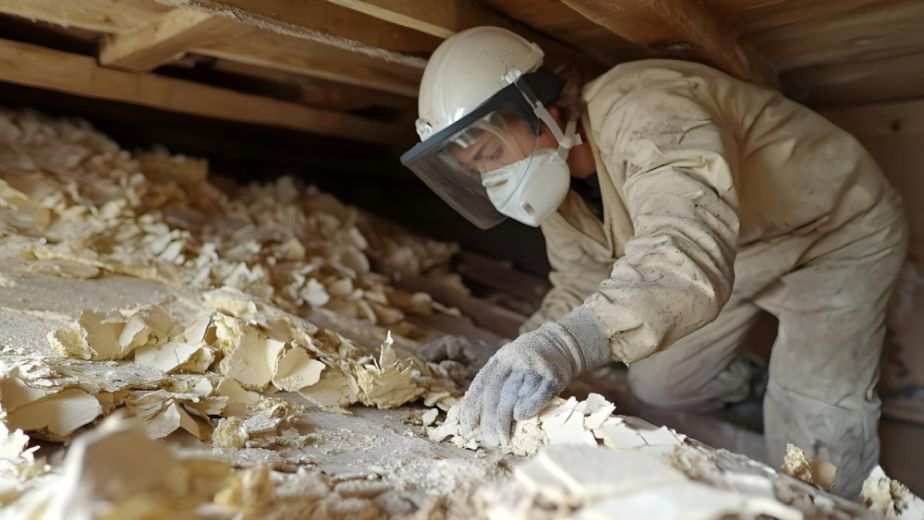
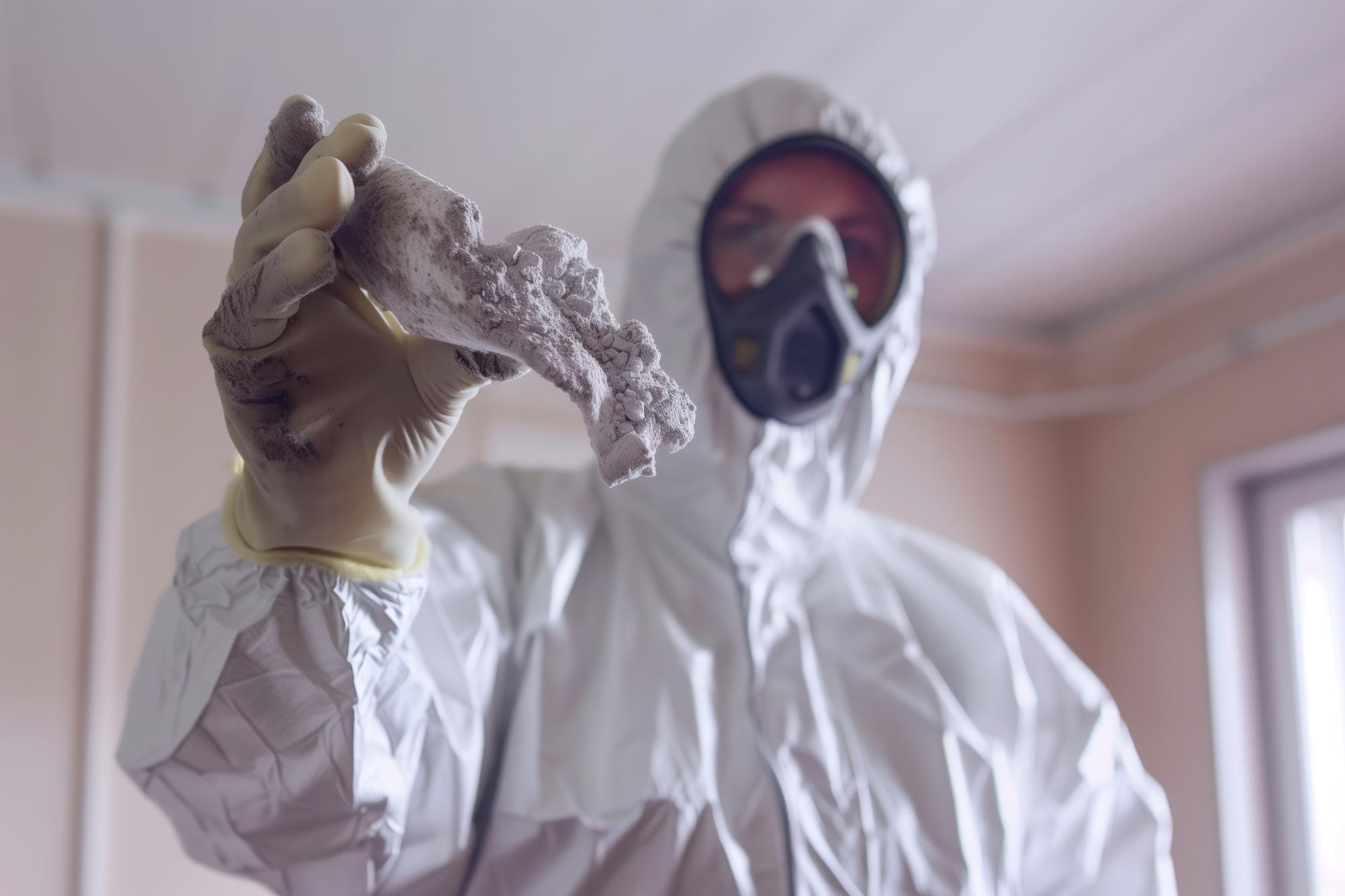
After containment is established, trained workers begin removing asbestos-containing materials using controlled techniques designed to limit fiber release. Protective suits, respirators, and specialized tools are used throughout the process to maintain safety standards.
Materials are carefully detached and immediately sealed in approved disposal containers. Every step requires precision because even minor errors can increase airborne contamination risk.
This stage is where experienced asbestos removal contractors apply their technical expertise most directly.
They Manage Waste Handling and Disposal Requirements
Asbestos waste cannot be disposed of through standard waste systems. Contractors follow strict protocols for sealing, labeling, transporting, and disposing of hazardous materials. All waste is securely packaged and transported to approved disposal facilities licensed to handle asbestos.
This controlled chain of custody reduces environmental risk and ensures compliance with regulatory requirements.
They Perform Thorough Cleanup and Decontamination
Removal is only one phase of the process. After hazardous materials are taken out, contractors perform detailed cleaning using HEPA-filtered vacuums and specialized decontamination methods. Work zones are carefully cleaned to remove residual particles that may not be visible.
Decontamination areas are also used during operations to prevent fibers from leaving the site on clothing, tools, or equipment. Experienced asbestos removal contractors treat cleanup as a critical step in restoring safe conditions before final clearance testing.
They Help Keep Construction and Renovation Projects on Track
Unexpected asbestos discoveries can delay construction projects significantly. Experienced contractors work closely with property owners, project managers, and construction teams to address hazardous materials efficiently while maintaining safety standards.
Through coordinating inspections, removal, disposal, and clearance activities, they help projects move forward with fewer disruptions. Their involvement often saves time and reduces the likelihood of costly delays later in the process.
Work With a Team That Prioritizes Safety and Quality
At New England Surface Maintenance, we understand that asbestos projects require more than technical knowledge.
They require careful planning, strict adherence to safety procedures, and attention to every detail. Our team follows EPA, OSHA, and RRP Lead regulations while delivering the high level of professionalism that schools, municipalities, fire departments, businesses, and homeowners expect.
With a clean regulatory record and a reputation for doing the job the right way, we focus on safe removal practices, thorough cleanup, and reliable project execution. If you suspect asbestos is present in your property, contact us today.
FAQs
If your property was built before 1980, and renovation, demolition, or repair work is planned, it is wise to schedule an asbestos inspection before construction begins.
Work should stop immediately, and the area should be isolated. A licensed asbestos professional can evaluate the situation and determine the safest next steps.
Not every older building contains asbestos, but many structures built before the 1980s used asbestos-containing materials. Professional testing is the only reliable way to confirm its presence.