
Quick Summary
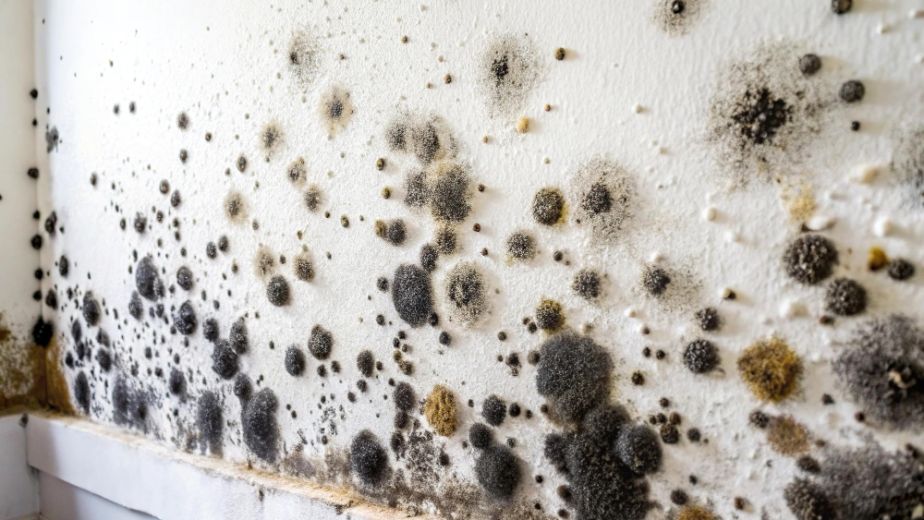
Mold in commercial buildings can impact indoor air quality, employee health, and day-to-day operations if it is not addressed quickly. commercial mold removal targets visible growth and hidden contamination, controls underlying moisture sources, and reduces the chance of future recurrence while limiting disruption to business activities.
This type of service helps minimize downtime, maintain a healthier indoor environment, and protect the long-term value of commercial property.
Introduction
Mold can appear silently in any commercial property, from office buildings to schools and industrial facilities, threatening both health and business operations. Commercial mold removal is different from residential work because of larger spaces, shared air systems, and complex building layouts.
Our professional mold remediation services are designed to address these challenges, combining inspection, containment, and removal with strict safety standards. Understanding what to expect from commercial remediation helps business owners protect occupants, reduce liability, and maintain productivity.
Early professional involvement ensures mold is handled thoroughly and safely.
Why Mold Poses a Risk in Commercial Buildings
Mold grows quickly in damp environments, and in large buildings, it spreads through HVAC systems, wall cavities, and mechanical rooms. Left unchecked, it can trigger respiratory irritation, allergic reactions, and other mold-related health concerns for employees, students, or visitors.
Operational challenges often include increased employee absenteeism, potential liability for property owners, and loss of usable workspace during remediation. Mold commonly develops in areas affected by leaks, flooding, or high humidity, which makes identifying moisture sources a critical step.
Effective remediation focuses not only on removing visible mold but also on addressing hidden contamination and the conditions that allow it to return.
Common Problem Areas in Commercial Properties
Large commercial buildings often contain areas that are difficult to access or inspect regularly, which creates hidden mold risks. HVAC systems and ductwork can spread spores across multiple floors, while wall cavities and insulation may conceal ongoing growth for long periods.
Basements, crawl spaces, and mechanical rooms are especially vulnerable due to moisture buildup and limited airflow. Past water damage or flooding can further increase contamination risks.
A detailed evaluation of these areas is essential for planning effective remediation and understanding the full scope of the problem.
Assessment: The First Step in Mold Removal
A professional remediation process begins with a full assessment of the property. This includes visual inspections, moisture detection, and air and surface sampling to determine the presence and extent of mold contamination.
Laboratory testing may be used to identify specific mold types and concentrations, which helps shape the remediation strategy.
This structured approach allows mold removal to be precise and efficient while reducing unnecessary disruption. In commercial environments, assessment also considers occupancy levels, building function, and operational schedules to limit interference with daily business activity.
Containment and Air Control
Containment plays a central role in commercial mold removal. Professionals isolate affected areas using physical barriers to prevent spores from spreading to clean zones.
Negative air pressure systems are often used to control airflow and keep airborne particles contained within the work area. Access is restricted to trained personnel only.
In occupied buildings, these measures allow unaffected sections to remain operational while remediation takes place elsewhere. Proper containment reduces cross-contamination risk and helps protect both building occupants and workers.
Mold Removal and Cleaning Techniques
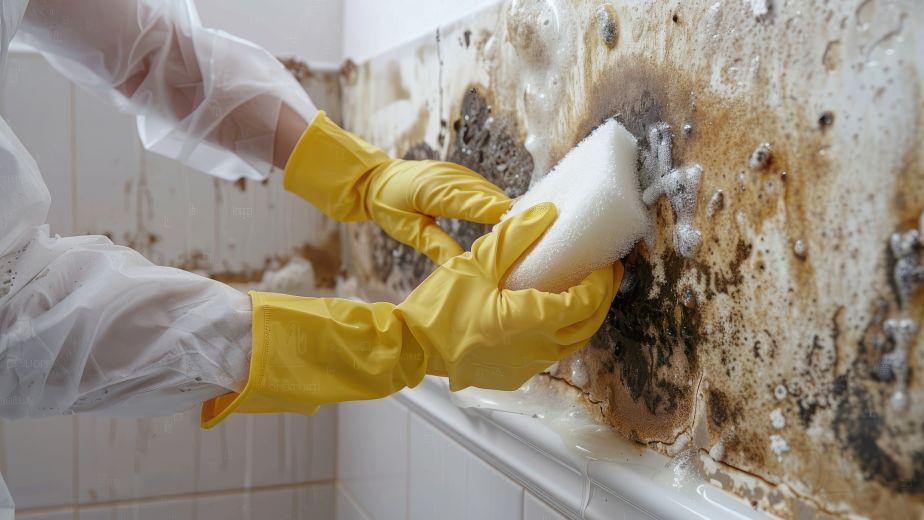
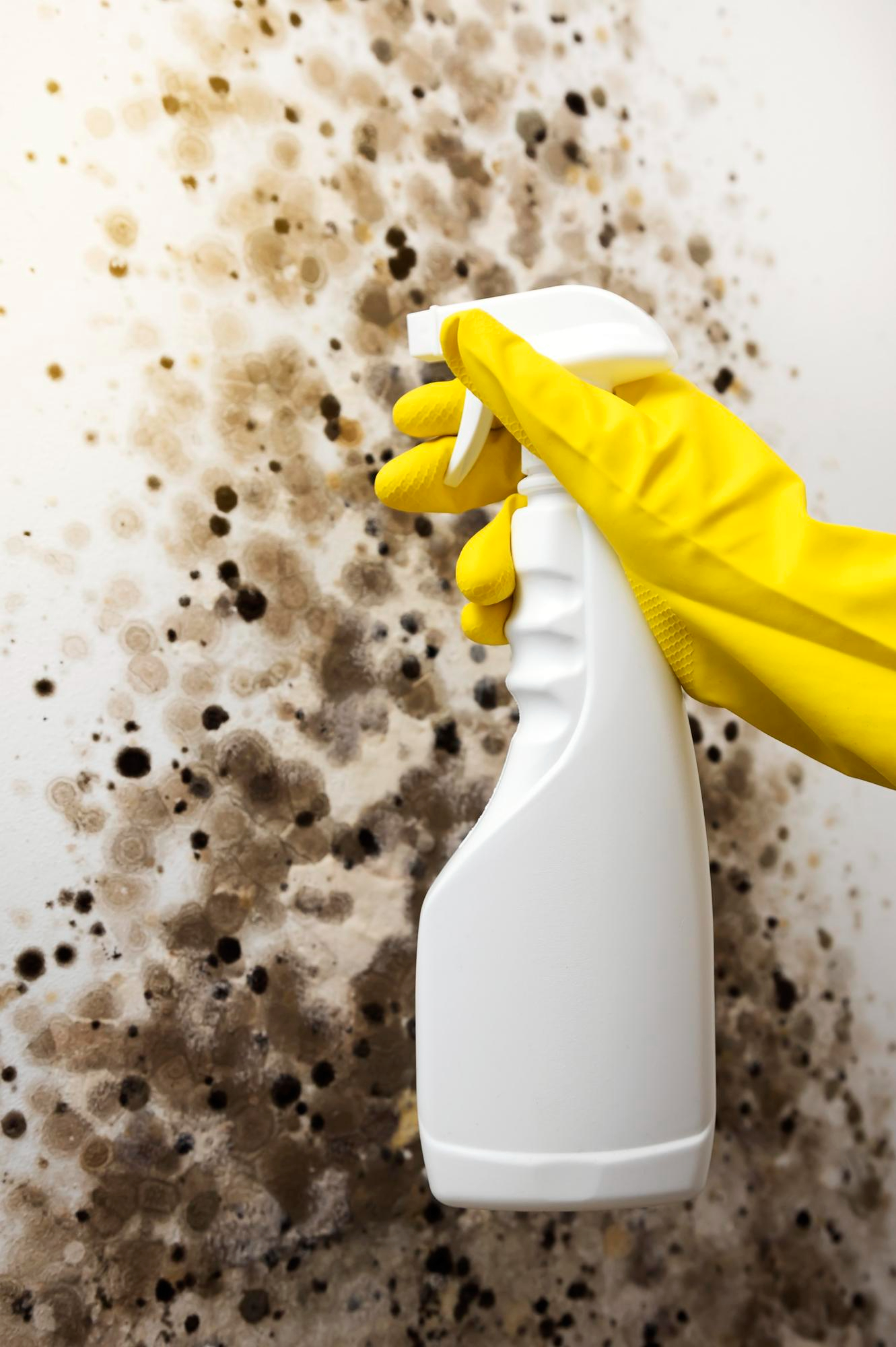
Once containment is established, remediation teams begin removing mold and contaminated materials using controlled procedures. HEPA vacuums, air scrubbers, and EPA-approved antimicrobial treatments are used to clean affected surfaces and improve air quality.
Materials such as heavily damaged drywall, insulation, or flooring may need to be removed and disposed of according to environmental regulations. All waste is sealed before leaving the containment area to prevent spores from escaping.
Addressing Moisture and Preventing Recurrence
Moisture control is an essential part of commercial mold removal. Remediation professionals repair leaks, improve ventilation, and apply mold-inhibiting coatings in high-risk areas to prevent new growth. Without controlling the moisture source, mold is likely to return, undoing the remediation efforts.
Business owners benefit from guidance on maintaining proper humidity levels and monitoring problem areas to reduce future risks. Long-term prevention measures not only protect health but also reduce operational downtime and maintenance costs.
Compliance and Safety Standards
Commercial mold remediation must follow OSHA and EPA guidelines to protect both workers and building occupants.
These standards regulate safety procedures, containment practices, and air quality requirements throughout the project. Documentation and clearance testing are often required before reoccupancy is approved.
Compliance reduces liability risks for property owners and helps confirm that remediation work meets established safety standards. It also reinforces consistent professional practices across commercial environments.
Timeline and Operational Considerations
The duration of a commercial mold removal project depends on building size, severity of contamination, and specific remediation techniques used. Smaller office spaces may be addressed in days, while large industrial facilities or multi-story buildings may require several weeks.
Professional remediation contractors work to coordinate project phases, minimize disruption to business operations, and maintain safety throughout the process.
Schedule Professional Commercial Mold Removal Today
At New England Surface Maintenance, we handle commercial mold removal with a focus on safety, compliance, and thoroughness. Our experienced teams assess, contain, remove, and prevent mold growth while following OSHA, EPA, and RRP Lead regulations.
With a proven track record working with schools, offices, municipalities, and industrial facilities, we pass inspections and complete projects without shortcuts. Our attention to detail and data-driven approach ensures minimal disruption and long-term results.
Schedule our professional mold remediation services today to protect your property, occupants, and operations.
FAQs
Any mold remediation performed in non-residential buildings such as offices, schools, or industrial facilities qualifies as commercial mold removal.
Yes. Mold spores can circulate through ductwork and reach multiple areas within a building, making containment essential.
Professional containment and phased remediation help limit disruption. Some areas may need temporary closure, but work is organized to maintain productivity elsewhere.
Timelines vary by building size and severity of mold growth. Projects can range from a few days to several weeks.