
Quick Summary
Mold toxicity occurs when prolonged exposure to mold and its byproducts begins to affect your health in measurable ways. This article covers the 10 warning signs of mold toxicity that should prompt you to take action, explains why mold in a building is more dangerous than many people realize, and describes what professional mold remediation actually looks like when you bring in a mold removal expert.
Most people know that mold is something to be taken seriously, but far fewer understand just how wide-ranging its health effects can be. If you or someone in your household has been experiencing persistent health issues that do not resolve easily, mold exposure in your Massachusetts property could be a contributing factor. Understanding the 10 warning signs of mold toxicity gives you a clearer lens through which to evaluate what you may be experiencing.
What Is Mold Toxicity?
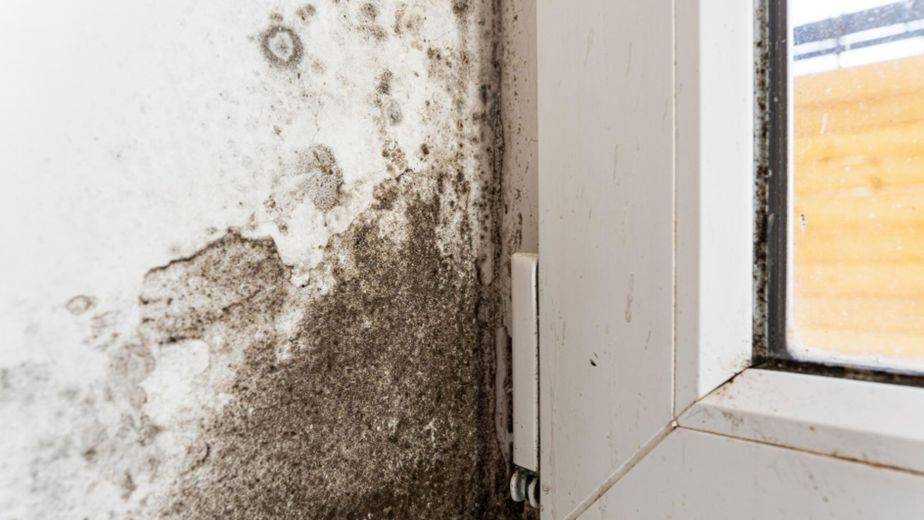
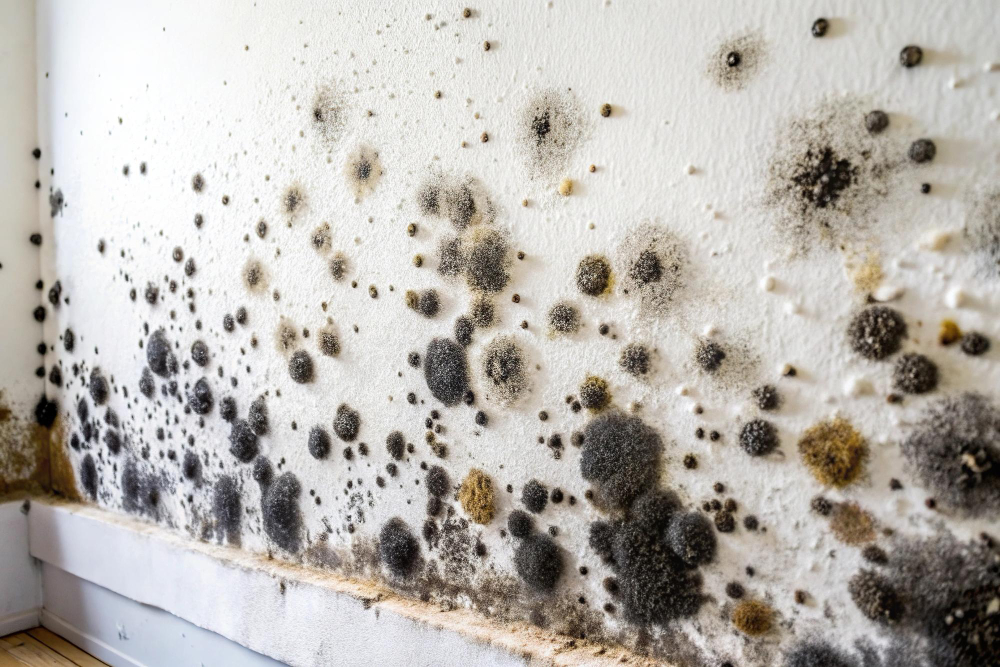
Mold toxicity, sometimes referred to as mycotoxin illness, is not simply an allergic reaction. It occurs when the body is repeatedly and over time exposed to mold spores and the toxic compounds some mold species produce. While a brief encounter with mold in a bathroom grout line is unlikely to cause lasting harm, living or working in a space where significant mold growth is present in walls, ceilings, flooring, HVAC systems, or attic spaces creates sustained exposure that the body struggles to process. The immune system responds, and over time, that response can produce symptoms that span multiple body systems.
Certain species of mold, including Stachybotrys chartarum, commonly known as black mold, are particularly associated with mycotoxin production. However, other species, including Aspergillus, Penicillium, and Cladosporium, can also produce irritants and potentially toxic compounds depending on the conditions in which they are growing.
The 10 Warning Signs of Mold Toxicity
Mold toxicity is often mistaken for allergies, chronic fatigue, or anxiety disorders. A key indicator is that symptoms tend to improve when you leave the affected building. If several of the following apply to you, mold exposure deserves serious investigation.
Physical and Respiratory Symptoms
Chronic respiratory issues are among the earliest warning signs. Persistent coughing, wheezing, shortness of breath, or chest tightness that does not respond to standard treatment can all point to ongoing mold inhalation. Nasal congestion and sinus inflammation that linger despite treatment are closely related indicators. Skin irritation such as rashes or itching, eye redness and watering, and recurring headaches ranging from dull pressure to migraines that correlate with time in a specific space round out the physical signs.
Cognitive and Energy-Related Symptoms
Fatigue that sleep does not resolve is one of the more disruptive effects of mold toxicity. Many people describe it alongside brain fog, difficulty concentrating, and short-term memory problems. The immune system’s sustained response to mold exposure is physically taxing, and over time, the body simply struggles to keep up. Mood changes and disproportionate anxiety are also reported, with emerging research linking mycotoxin exposure to neurological effects that can disrupt mood regulation and emotional stability.
Digestive and Sensitivity-Related Symptoms
Digestive disturbances, including nausea, bloating, and appetite changes, can occur when mycotoxins are ingested or swallowed after inhalation. Joint and muscle pain without a clear cause, sometimes resembling fibromyalgia, is another reported effect of the inflammatory response mold triggers. A tenth and often overlooked sign is heightened sensitivity to chemicals and environmental triggers, where everyday items like perfumes or cleaning products suddenly provoke strong reactions that were never an issue before.
What To Do If You Suspect Mold Toxicity
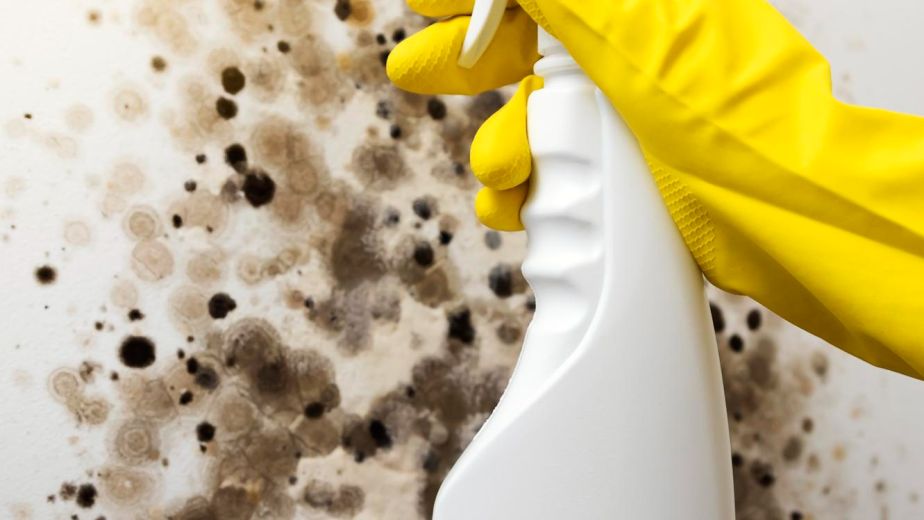
If several of these signs seem tied to time spent in a particular space, have the property assessed for mold promptly. Do not attempt to clean it up yourself. Consumer products are not designed for structural or hidden mold growth, and disturbing mold without proper containment can release large concentrations of spores, making exposure significantly worse. Expert mold removal requires proper containment, physical removal of contaminated materials, surface treatment, and thorough cleanup carried out by a qualified professional.
At New England Surface Maintenance, we carry out professional mold remediation services across residential and commercial properties in Eastern Massachusetts using industry-standard protocols and proper containment procedures. If you suspect a mold problem, do not wait. Reach out to our team today through our contact form or give us a call.
FAQs
In some cases, removing yourself from the source of exposure can lead to improvement in symptoms over time. However, without professional remediation of the mold itself, re-exposure is likely, and symptoms tend to return or worsen.
Visual inspection alone cannot confirm mold species or mycotoxin levels. Professional testing by a qualified environmental assessor can identify mold types present and the extent of contamination.
Mold does not always produce a strong odor, particularly in its earlier growth stages or when it is growing behind walls or in areas with limited airflow. Some mold species produce a more noticeable musty smell than others.