
Quick Summary
Asbestos remediation is the controlled process of identifying, containing, and permanently removing asbestos-containing materials from a property. This article covers what remediation involves, why it differs from simple removal, how asbestos soil remediation works, what the process looks like in practice, and why hiring a licensed professional is not just recommended but essential for your safety and legal compliance.
Asbestos was once one of the most widely used building materials in the United States. Its heat resistance, durability, and insulating properties made it a go-to choice for contractors throughout much of the 20th century. Today, any property built before the 1980s may contain asbestos in some form, and understanding what is asbestos remediation is the first step toward protecting yourself, your family, or your tenants.
What Is Asbestos Remediation?
The term “what is asbestos remediation” is one we hear often, and it deserves a straightforward answer. Asbestos remediation is the broader process of addressing asbestos hazards in a building or on a property. It encompasses everything from the initial assessment of suspected materials to containment, removal, decontamination, and final clearance testing. Remediation is not the same as simply tearing out a section of insulation. It is a structured, regulated, multi-step process designed to ensure that no asbestos fibers remain in the environment after work is completed.
Remediation may involve encapsulation in some cases, which means sealing intact asbestos materials so they cannot release fibers, rather than removing them entirely. However, when materials are deteriorating, damaged, or located in areas subject to disturbance during renovation, full removal is the standard approach. The goal in either case is the same: to eliminate the risk of airborne asbestos fiber exposure, which is the primary pathway through which asbestos causes serious illness.
Why Asbestos Is Such a Serious Health Hazard
Asbestos fibers are microscopic. When asbestos-containing materials are disturbed or degrade over time, they release these tiny fibers into the air. Once inhaled, the fibers can become permanently lodged in lung tissue and the lining of the chest cavity. The body has no effective way to break them down or expel them. The diseases linked to asbestos exposure are severe and often fatal. Mesothelioma is an aggressive cancer that attacks the membrane or lining of the lungs, abdomen, and heart. It is also almost always caused by asbestos exposure. Another health condition associated with asbestos is Asbestosis, a chronic lung condition resulting from long-term exposure that causes progressive scarring of lung tissue.
Where Asbestos Is Commonly Found
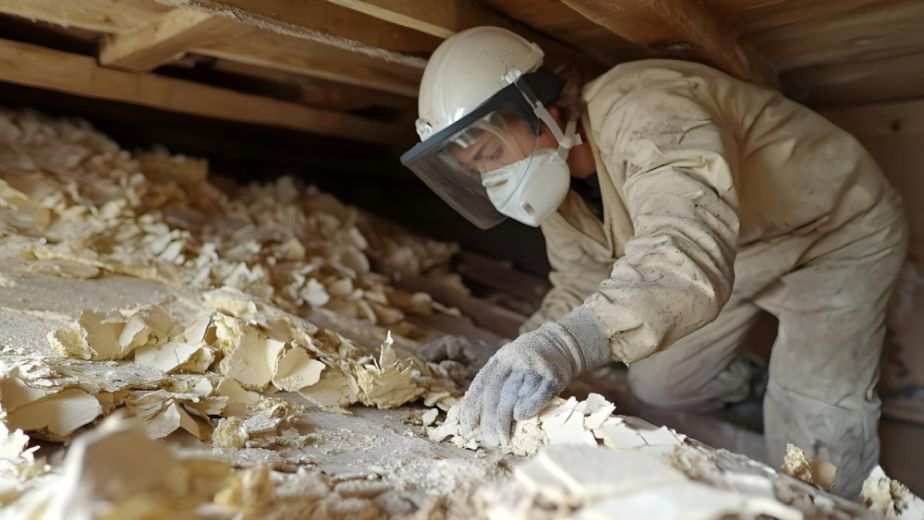
Before remediation can begin, it is important to know where asbestos tends to hide. In residential and commercial buildings constructed before the late 1970s, asbestos may be present in floor tiles and the black adhesive mastic beneath them, pipe wrap and duct insulation, popcorn or textured ceiling finishes, joint compound used in drywall, roofing materials and shingles, boiler and furnace insulation, siding panels, and attic insulation products, including certain vermiculite blends. Simply looking at a material is never sufficient to confirm asbestos content. Testing by a qualified professional is the only reliable way to determine whether asbestos is present.
The Asbestos Remediation Process Step by Step
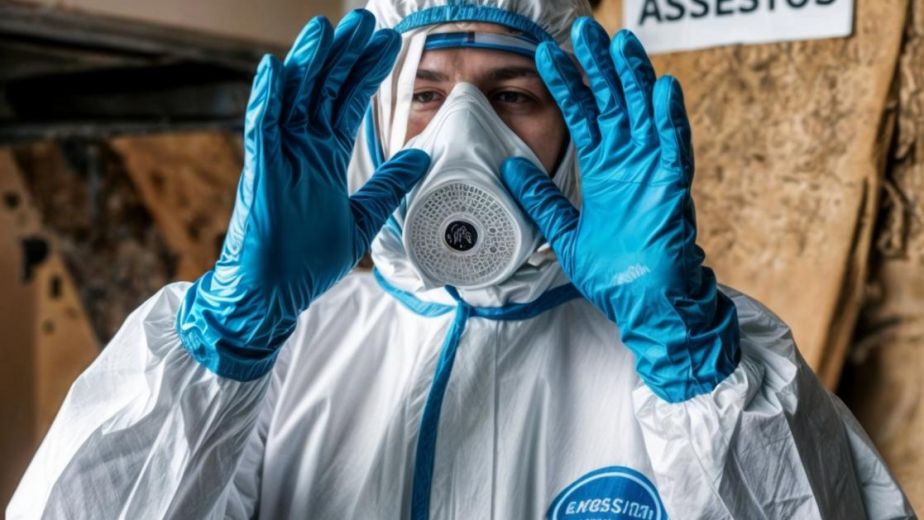
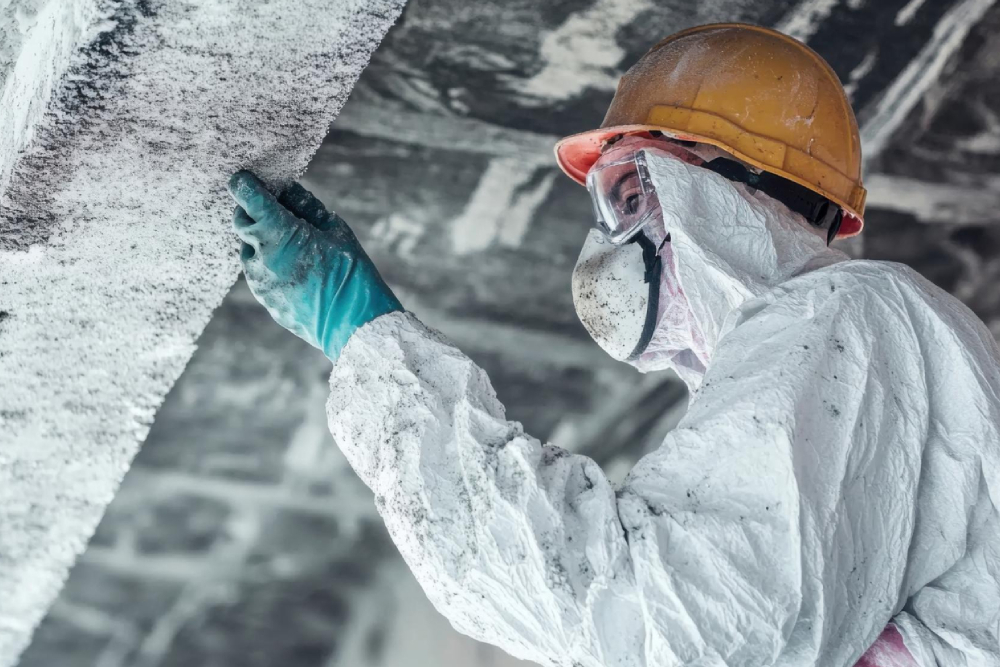
Remediation begins with a thorough inspection, material sampling, and laboratory analysis. Once asbestos is confirmed, a detailed removal plan is developed. The work zone is then sealed with polyethylene sheeting and placed under negative air pressure using HEPA-filtered scrubbers to capture any released fibers. Workers use full protective equipment and pass through decontamination units. During removal, materials are wet-saturated to suppress fiber release and bagged in sealed, labeled containers. Every step is carried out deliberately to minimize disturbance and protect everyone in and around the property.
When you work with New England Surface Maintenance, you work with a team that adheres fully to DEP, OSHA, and state RRP lead regulations, has built its reputation on passing inspections, and has earned the trust of demanding clients in Massachusetts, including schools, municipalities, fire departments, and other institutions where safety is not optional.
If you suspect asbestos in your property, do not disturb it. Contact us to schedule a walkthrough and get a free estimate.
FAQs
Generally, yes. You can stay in your home. Larger projects may require some coordination and flexibility. However, NESM will always do its best to work with you in order to be the least intrusive as possible.
You cannot determine asbestos content by appearance alone. The only way to confirm whether a material contains asbestos is to have a sample collected by a trained professional and analyzed at an accredited laboratory
In Massachusetts, asbestos inspection and proper abatement of any asbestos-containing materials are legally required before renovation or demolition work that would disturb those materials. Failing to comply can result in significant fines and project delays. A licensed contractor can help you understand your obligations and complete the necessary work before construction begins.