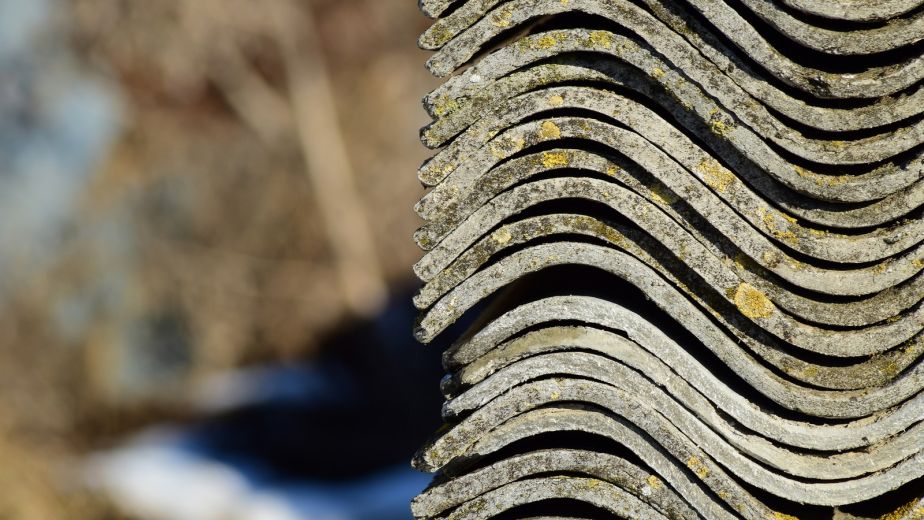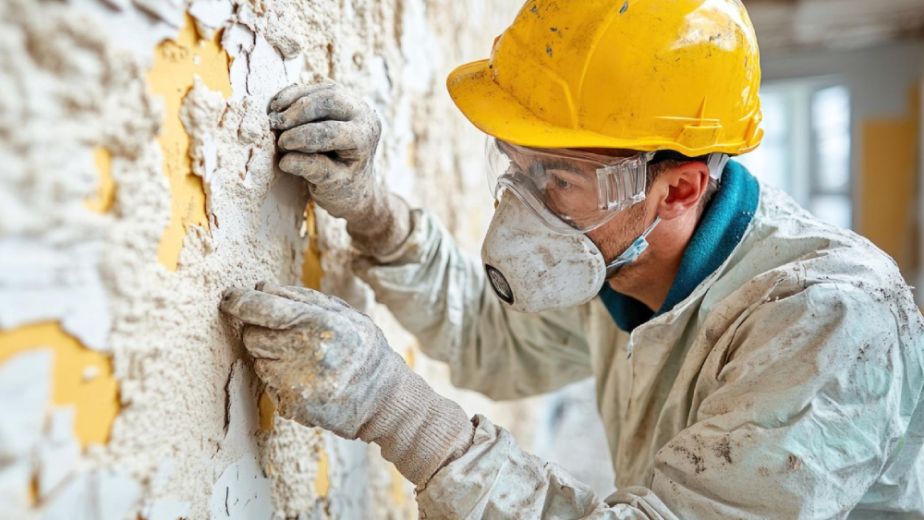

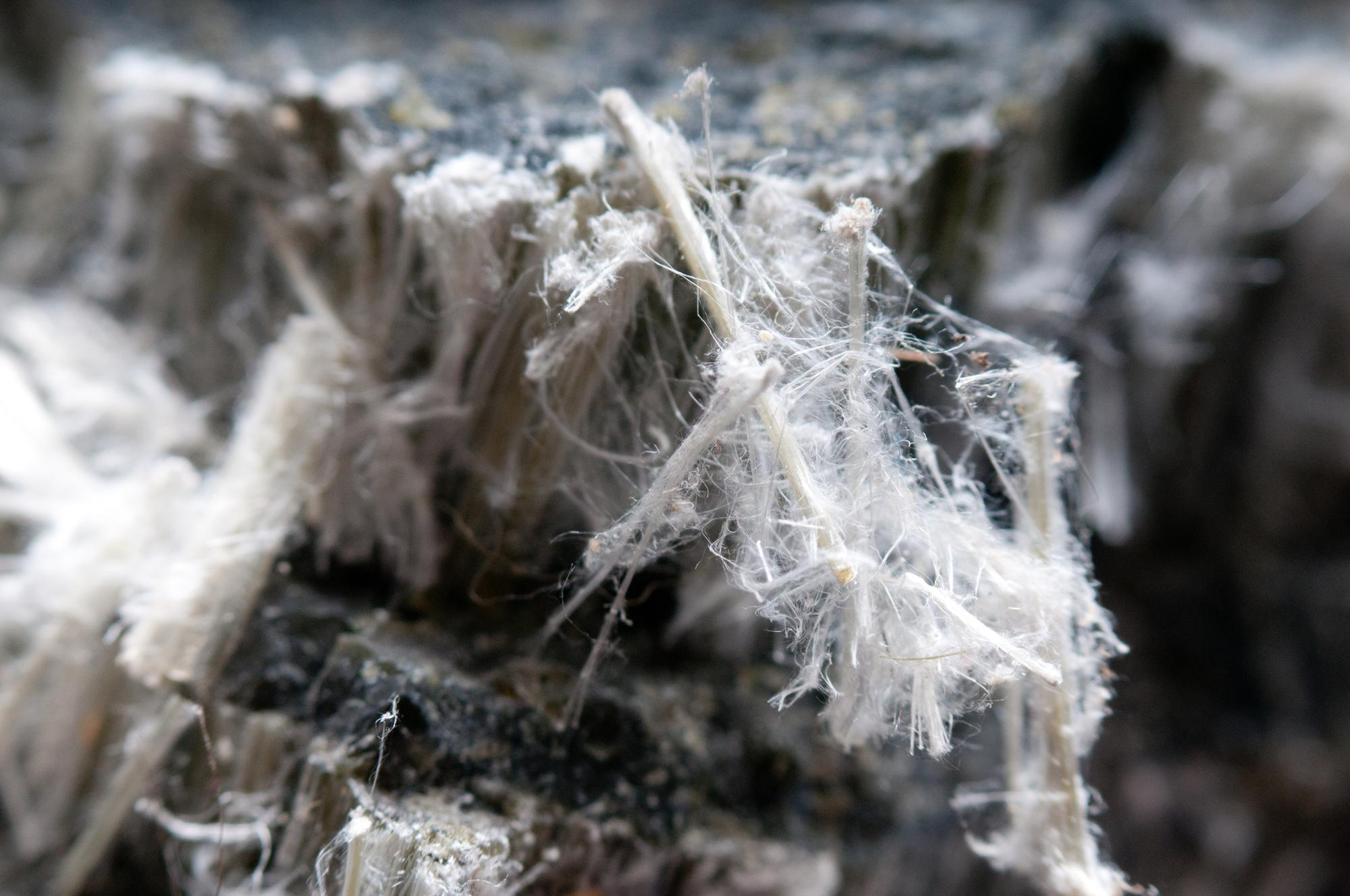
Quick SummaryAsbestos looks like a soft, fluffy mineral or a crumbly fibrous material mixed into old building products. You might see it as white, gray, or blue-green fuzz around heating pipes, old ceiling tiles, or vermiculite insulation. Spotting it by eye alone is unreliable, so testing by a lab is the only safe answer. |
If you live in a home built before the 1980s, you might wonder “What does asbestos look like?” when checking old walls or basement pipes. This mineral does not shout for attention; instead, it hides inside common household materials as a pale, fibrous blend. Knowing its shapes and colors helps you avoid disturbing danger until you call for safe & professional asbestos removal services.
At New England Surface Maintenance, we have spent years helping homeowners identify risky materials without panic or guesswork. We bring honest inspections and careful methods to every job, making sure you stay safe. As a licensed asbestos contractor, we follow all EPA and OSHA rules so you can rest easy.
Where Asbestos Is Commonly Found
Older residential buildings often contain asbestos in a wide range of materials used for insulation, fireproofing, and durability. It may be found in pipe insulation, ceiling coatings, wall materials, roofing shingles, and floor tiles. These materials were commonly used because asbestos was valued for its heat resistance and strength.
Vermiculite insulation is another frequent source, especially in attics and wall cavities. It typically looks like small, lightweight gray-brown pebbles and may have been poured loosely into open spaces for thermal protection.
Many older supplies of vermiculite have been linked to asbestos contamination, which increases the importance of proper testing before disturbance.
Key Areas to Check at Home
Homes built before 1980 often contain asbestos in several common areas that can appear harmless at first glance. These materials should never be disturbed without professional evaluation.
- Pipe Insulation: Often wrapped in white or gray material that looks like paper, plaster, or cloth bandaging. When aged or damaged, it may become crumbly or powdery, which increases the risk of fiber release.
- Popcorn Ceilings: A rough, bumpy ceiling texture sprayed on between the 1950s and 1980s. It can resemble dried foam or stucco and may release dust when scraped or disturbed.
- Old Floor Tiles: Square tiles commonly sized nine or twelve inches with a dull or worn finish. The adhesive underneath, often black mastic, may also contain asbestos and appear sticky or tar-like.
- Vermiculite Insulation: Lightweight, pebble-like insulation found in attics and wall cavities. It often looks like expanded gravel but is much lighter and may contain contaminated material depending on its source.
- Furnace and Boiler Insulation: Rope-like seals or wraps around heating systems that resemble worn cotton or fabric. With age, this material can become brittle and break into dust-like fragments.
Signs of Damaged Material
Asbestos becomes significantly more hazardous when it is damaged or deteriorating. Crumbling insulation, water stains, sagging ceiling sections, peeling pipe wrap, or punctures in older materials all increase the risk of fiber release.
Moisture damage is especially concerning because it weakens the structure of the material and can cause hidden fibers to spread into the surrounding air. Even small holes from nails or screws in older surfaces may allow fibers to escape slowly over time.
What To Do If You Suspect Asbestos
Stop all work immediately in the affected area. Avoid sweeping, vacuuming, or touching any suspected material, since even light disturbance can release fibers into the air. Close off the space if possible and limit access until it has been evaluated.
A licensed professional should collect samples safely and send them to a certified laboratory for analysis. No removal or repair should begin until results confirm whether asbestos is present and what type of response is required.
Why Testing Matters
Visual identification alone is not dependable because asbestos often looks similar to many harmless materials used in construction. Fiberglass, plaster, cement, and insulation can all resemble asbestos-containing products at a glance.
Laboratory testing is the only method that can confirm the presence, type, and concentration of asbestos fibers. This removes guesswork and helps determine the safest next steps for handling or removal.
Professional Handling
When asbestos is confirmed, licensed crews use strict containment procedures to control fiber release. Protective suits, respirators, and sealed work zones help reduce exposure risk during removal. Negative air pressure systems with HEPA filtration help keep fibers from spreading beyond the containment area.
Materials are kept wet during removal to reduce airborne particles and are sealed in approved containers for disposal. Final air testing is completed before the area is cleared for re-entry, confirming that conditions are safe.
FAQs
Fiberglass looks like fluffy pink, yellow, or white cotton candy with a soft feel. Asbestos appears more gray, stiff, and dusty, often crumbling into fine powder. Fiberglass also has a shiny, smooth surface when pressed flat, while asbestos stays dull and rough.
The tiles appear as nine-inch or twelve-inch squares with a glossy or worn top layer. The backs show a dark, sticky black glue called mastic. Breaking a tile reveals a gray, fibrous inner layer similar to dried-out cardboard.
Painting seals the surface but does not stop damage from future cracks, water, or drilling. Any new hole or scrape will release fibers just as easily as before. Encapsulation with special coatings works only on fully intact materials.
Call New England Surface Maintenance for a Safer Home
You do not need to guess or risk your family’s health with dangerous materials. We offer honest inspections for asbestos abatement and complete removal done by trained, licensed crews. Our record includes schools, fire departments, and towns that demand the highest safety standards. For professional mold removal in Boston, MA, we bring the same careful approach to every damp basement or wet wall. New England Surface Maintenance handles both hazards, so you only call one team.
Reach out today for a clear plan and a cleaner home.