
Quick SummaryLicensed asbestos removal follows strict safety rules, worker training standards, and government regulations designed to reduce exposure risks. Non-licensed asbestos work may be allowed only in limited situations involving lower-risk materials and smaller projects. Choosing the right service depends on the material type, project size, and legal requirements. Licensed professionals use approved containment methods, disposal procedures, and documentation. For most property owners, licensed asbestos removal offers greater protection, accountability, and compliance throughout the removal process. |
When you face asbestos in an old home or building, the choice between licensed and unlicensed help shapes your health and legal safety. Licensed asbestos removal requires trained crews, special equipment, and official oversight to trap dangerous dust. For safe & professional asbestos removal services, you need proven experts who follow every rule without cutting corners.
New England Surface Maintenance brings twenty years of hands-on experience to every asbestos project. Our crews hold current certifications, pass all state inspections, and leave no fiber behind. We act as your licensed asbestos contractor from start to finish, giving you peace of mind that the job meets every legal standard.
What Licensed Asbestos Removal Means
Licensed asbestos removal refers to work performed by contractors who meet formal training, certification, and regulatory requirements. These professionals follow structured methods for containment, removal, waste handling, and disposal while maintaining required documentation for inspections and compliance checks.
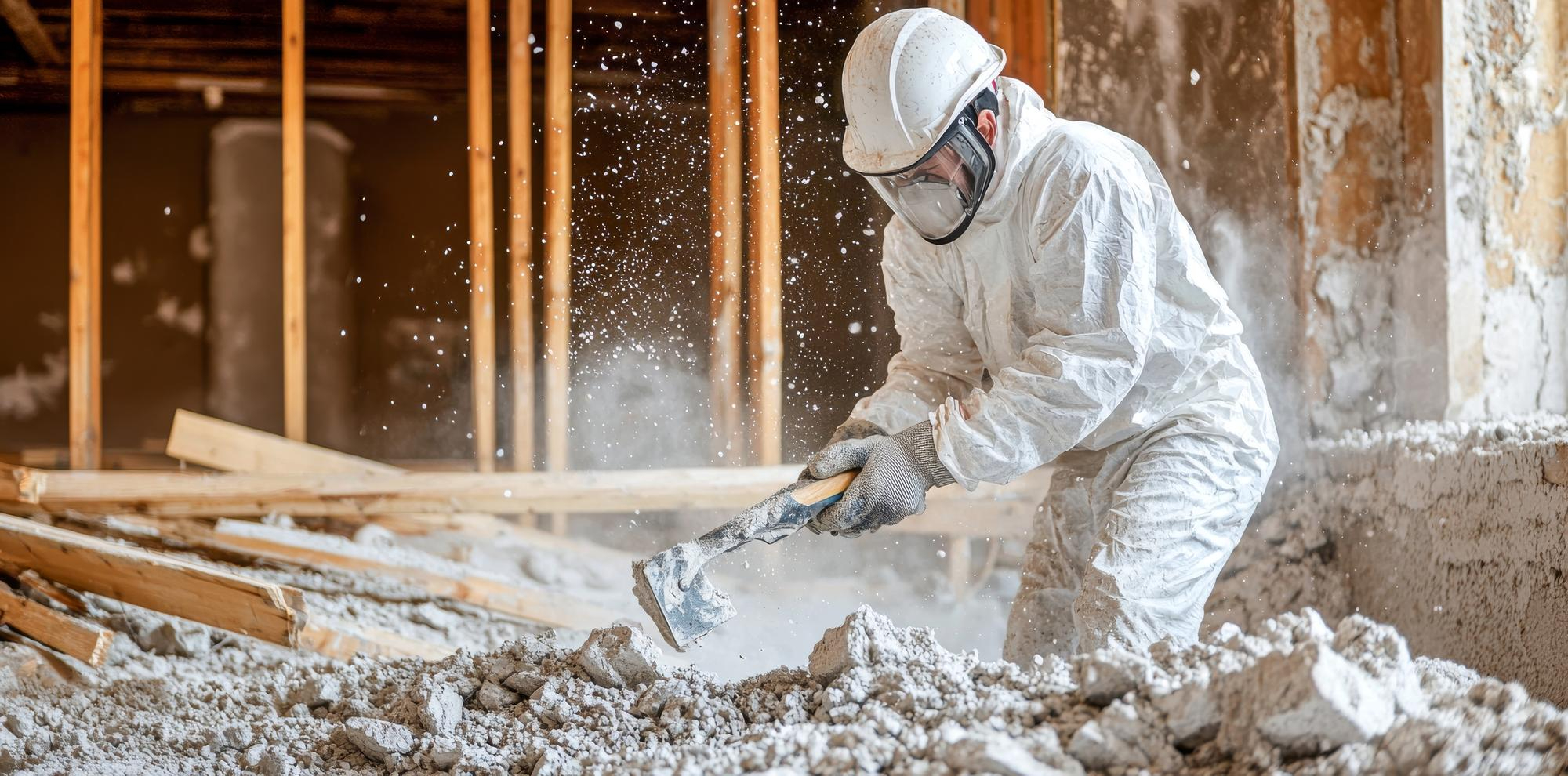
A licensed approach typically includes controlled work zones, negative air systems, protective equipment, and regulated transport of asbestos waste to approved facilities. Each step is documented to maintain a clear compliance record.
How Non-Licensed Work Differs
Non-licensed asbestos work may be allowed only in limited situations involving small amounts of lower-risk materials. Even then, safety procedures are still required to reduce fiber release and protect surrounding areas.
This type of work is restricted in scope and does not apply to large-scale removal, heavily damaged materials, or complex building environments. Regulations vary by location and material type, which makes professional evaluation important before starting any project.
Key Differences Between Licensed and Non-Licensed Work
- Training Requirements: Licensed asbestos removal involves formal training in hazard recognition, containment methods, protective equipment use, and disposal procedures. Non-licensed work does not require the same certification level but still follows basic safety rules.
- Regulatory Oversight: Licensed projects operate under inspections, documentation checks, and compliance review. This oversight helps maintain consistent safety standards.
- Containment Systems: Licensed work uses sealed barriers, controlled access points, and negative air pressure systems to reduce fiber spread. Non-licensed work uses more limited containment depending on the scope.
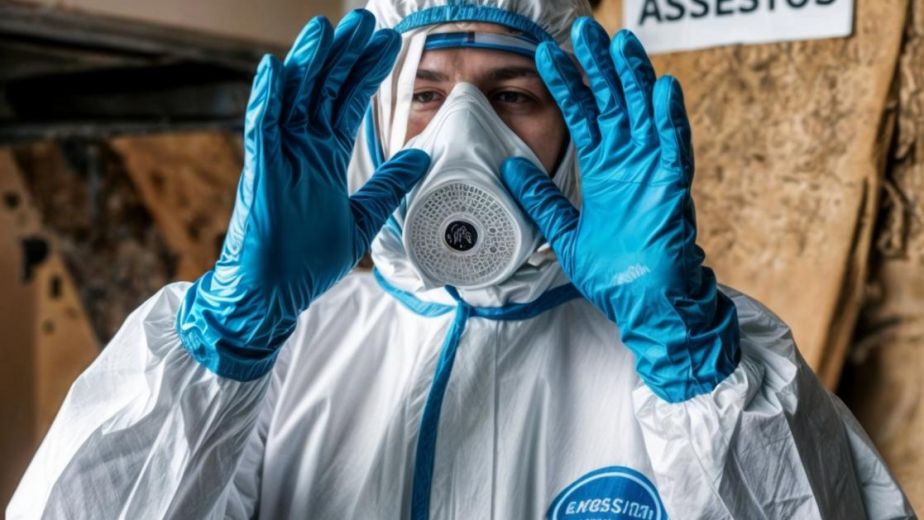
- Worker Protection: Licensed crews use approved respirators, disposable suits, and protective equipment designed to reduce exposure.
- Waste Handling: Licensed asbestos removal follows strict packaging, labeling, transport, and disposal procedures using approved facilities to prevent environmental contamination.
When Licensed Asbestos Removal Is Typically Required
- Pipe Insulation Removal: Older insulation can contain high asbestos levels that release fibers easily when disturbed, requiring controlled removal methods.
- Commercial Renovations: Schools, offices, and municipal buildings often involve larger areas and stricter compliance requirements.
- Damaged Materials: Crumbling asbestos materials increase airborne fiber risk and require controlled handling.
- Demolition Preparation: Buildings scheduled for demolition often require regulated asbestos removal before work can proceed.
Choosing the Right Contractor
- Licensing Verification: Confirm active licenses and certifications match the type of asbestos work required.
- Relevant Experience: Contractors with similar project history are better prepared for complex conditions.
- Safety History: A clean record reflects consistent compliance with regulations and safe procedures.
- Clear Communication: A structured explanation of scope, timeline, and process helps prevent misunderstandings during the project.
FAQs
Property owners can request license numbers, certifications, insurance documents, and project references before work begins.
Licensed asbestos removal creates documented compliance records and follows regulated procedures, which can help reduce future liability issues during inspections or property transactions.
Choose New England Surface Maintenance For Safer Project Results
When asbestos concerns arise, selecting the right team can make a meaningful difference in project outcomes. At New England Surface Maintenance, we complete every job with careful attention to safety, quality, and regulatory compliance. Our experience includes work for schools, municipalities, and public service organizations that demand high standards.
If you need guidance regarding mold removal in Boston, MA, our team is ready to help. For professional asbestos abatement services, New England Surface Maintenance delivers dependable results without cutting corners.