
Quick SummaryMold removal cleans visible mold from surfaces, but mold remediation fixes the moisture problem and treats hidden growth. You need removal for small spots on tile or glass. You need mold remediation when the mold covers a large area, keeps returning, or smells musty. Remediation repairs the cause and prevents future spread. |
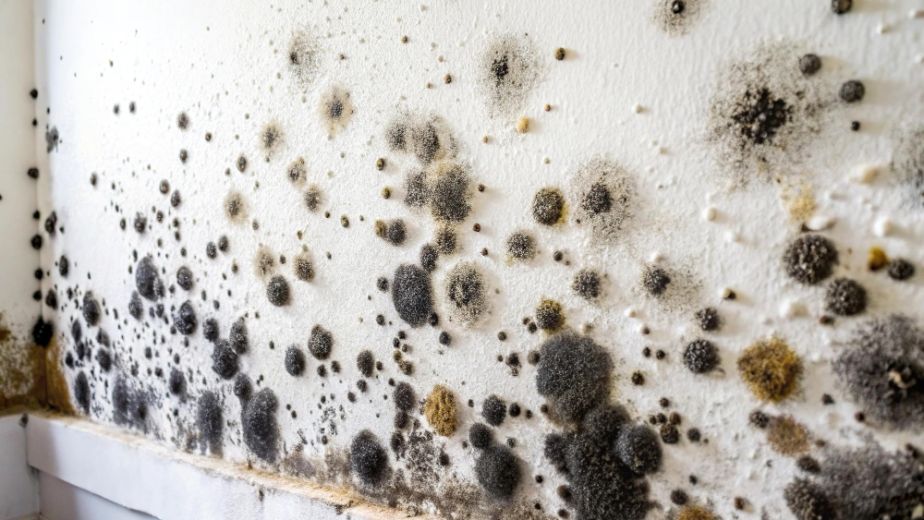
Water damage leaves behind a fuzzy green or black growth that spreads fast across walls and ceilings. The mold removal process wipes away what you can see, but it often misses the roots buried inside drywall or wood.
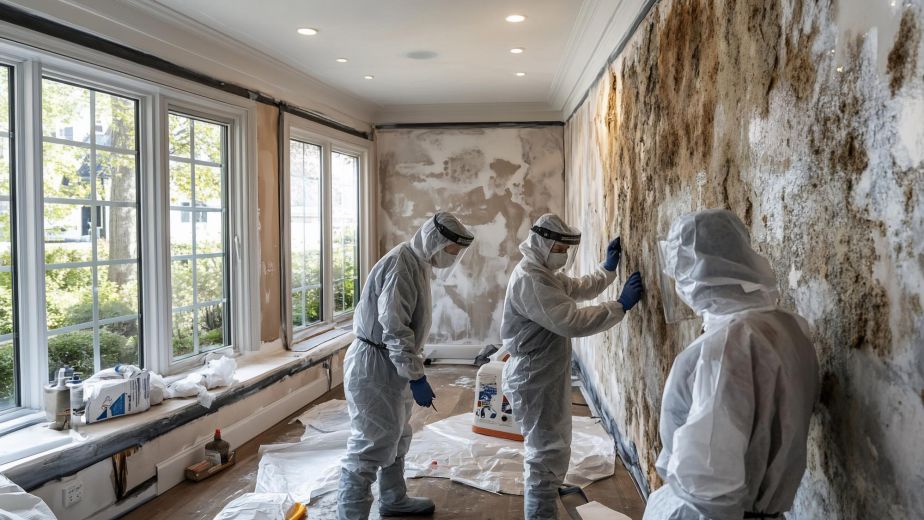
Hiring professional mold remediation services ensures workers find every hidden patch and dry the space fully. This choice protects your home from long-term rot and health risks that simple cleaning cannot fix.
New England Surface Maintenance treats every mold job with the care it deserves. Our teams hold strict EPA and OSHA safety standards, so you never worry about cutting corners or failing inspections. We also offer mold removal in Boston, MA, for clients who need fast, reliable cleanup backed by years of trusted local service.
Understanding the Real Difference
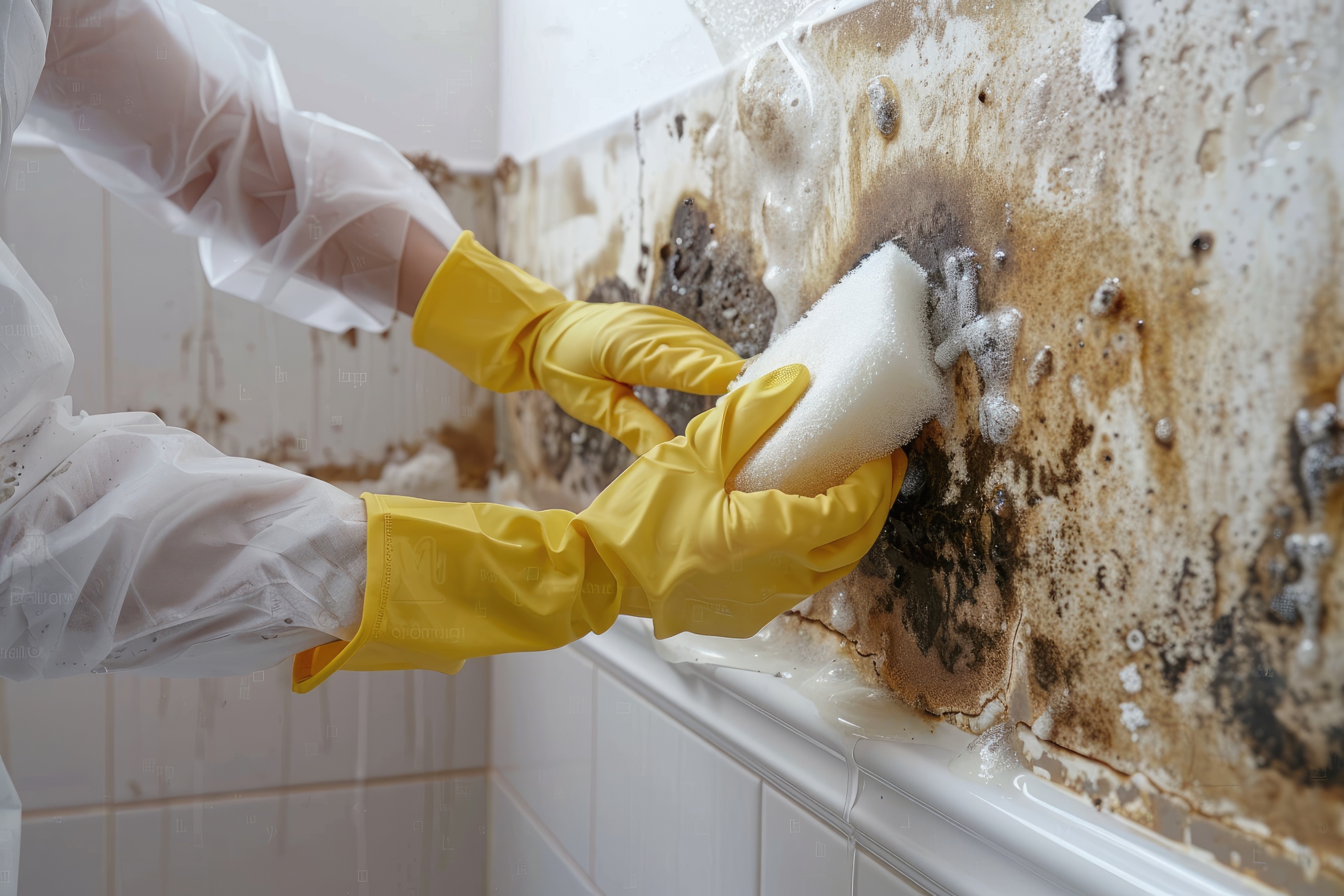
Mold removal focuses on cleaning visible growth from surfaces. It is a surface-level solution meant for small, contained issues that have not spread into building materials. When mold stays on tile, glass, or other non-porous areas, removal can restore the surface.
Mold remediation goes deeper by addressing hidden growth and moisture sources. This includes mold inside drywall, insulation, wood, and other porous materials where surface cleaning cannot reach. It also focuses on correcting the conditions that allowed mold to develop in the first place.
Water damage often determines which approach is needed. A small bathroom spot may only require removal. A leak behind a wall or basement flooding usually requires full remediation because mold spreads internally long before it becomes visible.
At New England Surface Maintenance, we handle both surface cleanup and full mold remediation projects using EPA and OSHA-compliant procedures.
When Mold Removal Is Enough
Mold removal is suitable when the issue is minor and fully visible on non-porous surfaces. This includes situations where mold is limited to tile, glass, or other sealed materials, and there is no history of leaks or hidden water damage. It also applies when cleaning removes the growth completely and it does not return over time.
In these cases, the problem is cosmetic and surface-based rather than structural.
When Mold Remediation Is Needed
Mold remediation is necessary when mold is no longer just a surface issue. This includes situations where mold returns after cleaning, where musty odors remain inside the home, or where water damage from leaks, flooding, or high humidity is present.
It is also required when mold is found inside drywall, insulation, or flooring materials. In these cases, the problem usually extends beyond what can be seen, with moisture trapped inside building layers that continue feeding growth over time.
These conditions indicate hidden contamination and ongoing moisture, which surface cleaning alone cannot resolve. Remediation addresses both the mold and the environment that allows it to grow. It also helps prevent the same problem from reappearing in the same area after short-term cleanup efforts.
Simple Decision Guide
If you are dealing with a small surface spot in a dry area with no history of water damage, mold removal is usually enough. This applies to light growth that stays on non-porous surfaces and does not return after cleaning. In these situations, the issue is typically limited to surface buildup rather than deeper structural contamination.
If there is a musty smell, recurring mold, or any history of leaks or water damage, mold remediation is the better option. These signs often point to hidden growth inside walls or floors that cannot be removed through surface cleaning alone. The presence of moisture behind finishes usually means the problem is active, even if it is not fully visible yet.
When mold is found inside walls, ceilings, or flooring, mold remediation is required because the problem has already spread beyond the surface level. At that stage, materials often need removal or deep treatment to stop continued growth within the structure.
Light bathroom mildew on tile or glass typically falls under mold removal when it is isolated and not linked to deeper moisture issues. This type of growth usually forms from everyday humidity and can be handled with basic cleaning if it does not return.
Why Choosing the Right Service Matters
Choosing mold removal when remediation is needed often leads to the same problem returning. The visible mold may disappear, but the moisture and hidden growth remain inside the structure.
You should stay away from the sealed work zone, but can remain in other rooms. Workers block off the area with plastic so spores do not travel through the house. People with asthma or allergies may want to leave until the job ends.
Insurance pays when a sudden problem, like a burst pipe or storm damage, causes the mold. It does not pay for mold from long-term leaks, high humidity, or poor maintenance. Call your agent to check your specific policy coverage.
Choose New England Surface Maintenance for Lasting Mold Solutions
If you need true mold removal along with mold cleanup, we bring the same careful methods to both jobs. Our team adheres to every EPA and OSHA rule, and our clean record proves we do not cut corners. We have passed the toughest inspections for schools and fire departments because we do things the right way. Call us for a mold inspection and remediation plan that matches your exact situation.
Let our professionalism and safety focus give you lasting peace of mind.