
Quick SummaryThe mold removal process follows a clear path from finding moisture to final drying. Professionals first locate hidden water sources, then seal off the area, filter the air, remove damaged materials, clean all surfaces, vacuum with HEPA tools, dry everything fully, and finally inspect to stop mold from coming back. |
Mold grows fast when moisture lingers on wood, drywall, or carpet. Following a proper mold removal process keeps your home safe and stops health problems before they start. Many people try quick fixes, but only a full cleanup removes hidden spores. For tough jobs, turn to professional mold remediation services that follow strict safety rules from start to finish.
New England Surface Maintenance takes pride in doing every job the right way. Our team follows the full mold removal process with care, and we also offer mold removal in Boston, MA, for local homeowners. You get honest work, no cutting corners, and a clean record you can trust.
Identifying Moisture Sources Behind Mold Growth
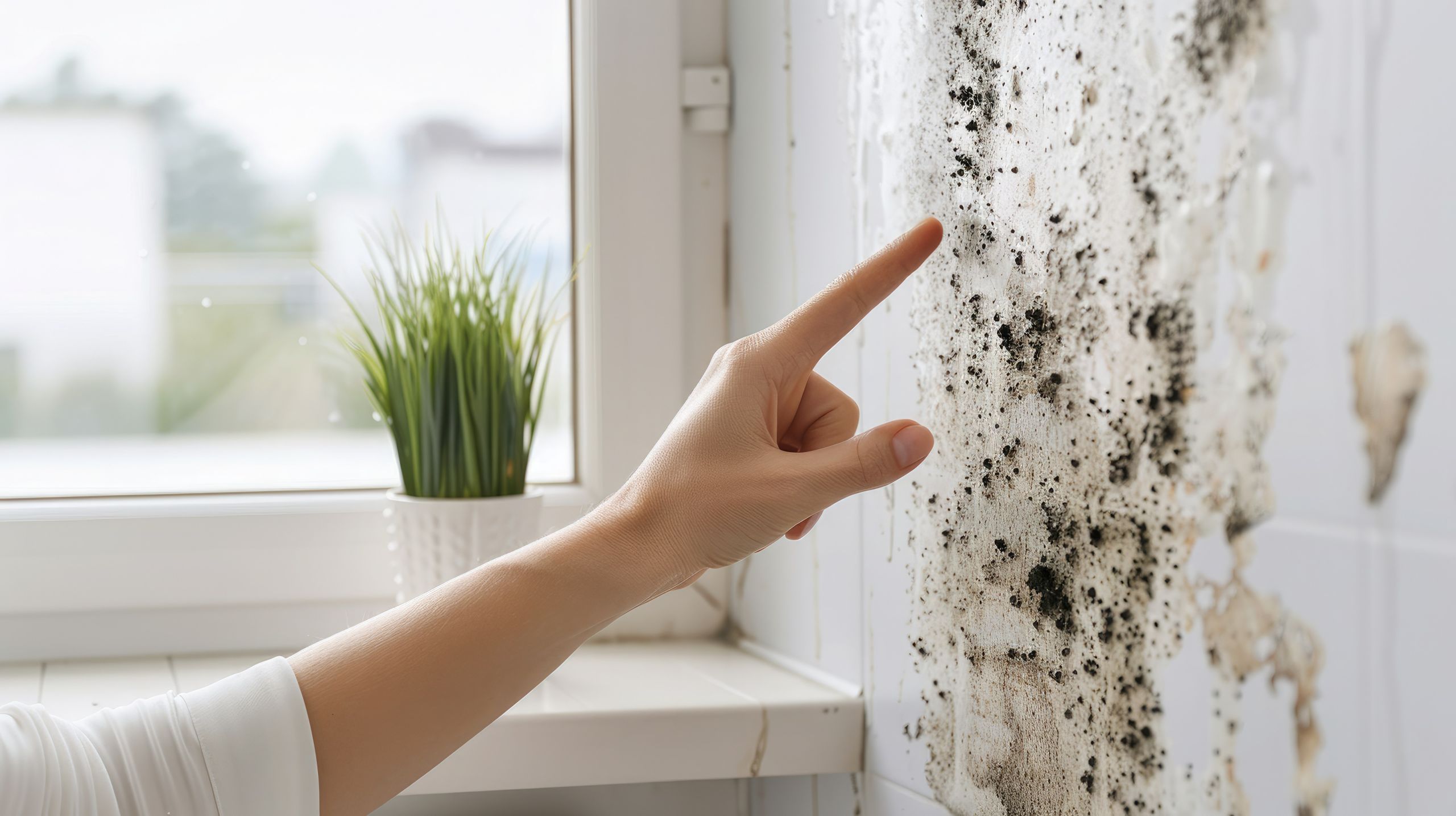
Moisture is the root cause of all mold problems. Leaking pipes, roof damage, basement seepage, or poor ventilation can create ideal conditions for growth. Without locating and correcting the source, mold will return even after cleaning.
Technicians use moisture meters and thermal tools to detect hidden damp areas behind walls and under flooring. Once the water source is identified, repairs such as pipe fixes or roof sealing are completed. Only after the affected area dries fully can the mold removal process move forward safely.
Creating Containment Around Affected Areas
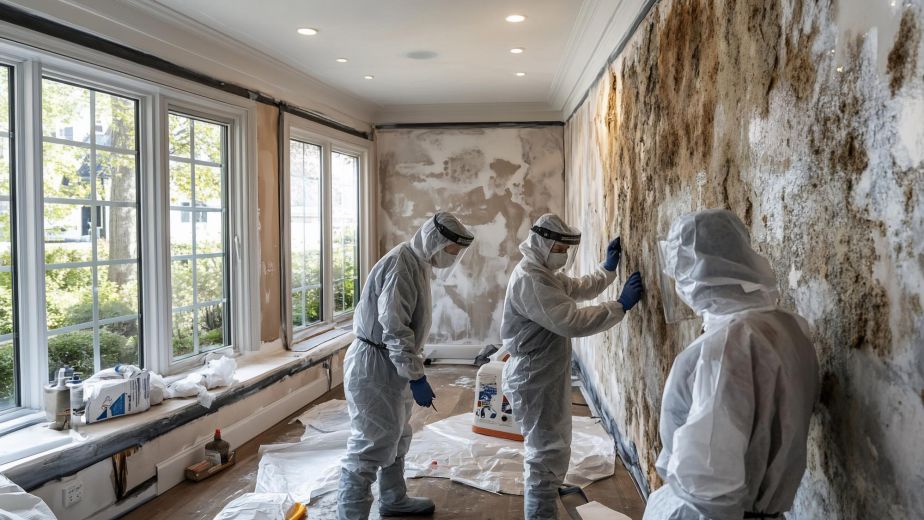
Mold spores spread easily through air movement, which makes containment essential. Professionals isolate the affected area using thick plastic sheeting and sealed entry points. This creates a controlled workspace that prevents spores from reaching clean areas of the building.
Negative air pressure systems are often used to pull contaminated air through filters instead of letting it escape into other rooms.
Entry is controlled through a sealed flap system. This step keeps contamination from spreading during the mold removal process.
Setting Up Air Filtration Systems
HEPA filtration systems run continuously during remediation to capture airborne spores. These filters trap extremely small particles that would otherwise circulate through the home. Air is constantly pulled through the machine, cleaned, and recirculated within the containment zone.
The steady hum of the equipment indicates that airborne particles are being controlled. This stage reduces exposure risk and helps maintain cleaner air outside the work area while the mold removal process is underway.
Removing Mold-Contaminated Building Materials
Some materials cannot be cleaned once mold has penetrated deeply. Drywall, insulation, carpet, and certain wood structures often require removal. These items are carefully cut out and sealed in heavy-duty bags to prevent spores from spreading.
Porous materials are especially difficult to salvage because mold can grow beneath the surface. Anything that cannot be fully cleaned is removed and replaced.
Cleaning Surfaces After Mold Removal
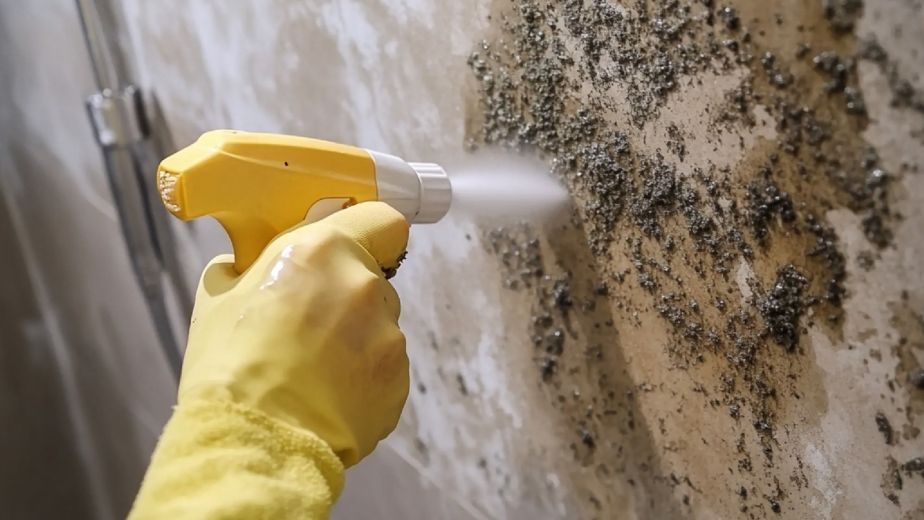
Hard surfaces such as metal, concrete, and glass are cleaned using specialized solutions and scrubbing tools. Technicians remove visible growth and treat areas to reduce remaining spores. Each surface is inspected multiple times to confirm that no contamination remains.
After scrubbing, surfaces are wiped down to remove residue. Only fully cleaned areas move forward in the mold removal process.
HEPA Vacuuming and Air Cleaning Steps
HEPA vacuums are used to capture microscopic particles left behind after cleaning. Every surface, including floors, ledges, and corners, is carefully vacuumed within the containment area. Air filtration continues running after vacuuming to capture any remaining airborne spores.
This step helps stabilize the environment before final drying begins in the mold removal process. Workers often repeat vacuuming passes to reduce lingering dust buildup and improve overall air quality inside the sealed zone.
Drying the Area After Remediation
Drying is one of the most important stages because moisture allows mold to return. Industrial fans and dehumidifiers are used to remove remaining dampness from walls, floors, and air.
Humidity levels are monitored until the structure reaches safe conditions. This phase can take several days, depending on the severity of the issue. Technicians also check hidden areas like wall cavities and subfloors to confirm no trapped moisture remains before completion.
Final Inspection and Project Documentation
A final inspection is completed to confirm that all contamination has been removed. Technicians check hidden areas, baseboards, and enclosed spaces using specialized tools and visual inspection.
A written report documents the work completed and confirms clearance. This record is often used for insurance, real estate transactions, or permit requirements.
FAQs
Household cleaners may remove surface stains, but they do not reach hidden growth inside porous materials. Without containment, spores can spread to other areas. Bleach also does not eliminate mold roots in materials like drywall or wood, which allows regrowth over time.
Small projects may take one to two days. Larger or more complex cases can take longer, depending on drying time and contamination levels. Time is also influenced by how quickly moisture sources are repaired and how much material needs removal.
Mold spreads through air movement and continues growing in hidden areas. Over time, it can affect indoor air quality and damage surrounding materials.
Schedule Your Free Home Assessment with New England Surface Maintenance Now
Our team handles every step of the mold removal process with the same care we give to mold jobs. We also offer complete mold inspection and remediation for homeowners who want one reliable partner. New England Surface Maintenance holds a clean record with no regulatory actions against us. Schools, towns, and fire departments trust our work because we never cut corners.
Call us today to protect your family with a full home inspection and permanent mold cleanup from a team that does things the right way every single time.