
Quick Summary
Mold remediation in Massachusetts typically runs from a few hundred dollars for a small patch to tens of thousands for widespread growth. The affected area, its location in the home, and the material involved shape the total more than house size does. Fixing the moisture source belongs in the budget, because growth returns when dampness stays. A detailed written scope makes bids easy to compare, and early action often keeps a small stain from becoming a large project.
A musty smell in the basement usually raises one question within the first hour: what will this cost? The mold remediation cost for a Massachusetts home can range from a few hundred dollars to tens of thousands. The difference comes from details that are easy to miss from the outside.
At New England Surface Maintenance, we work in damp attics, wet basements, and closed crawl spaces year-round, and a handful of factors usually set the price. Square footage plays a part, though location in the house, moisture repairs, and containment needs often matter just as much. Homeowners who catch these issues early can compare quotes more easily and face fewer surprises once work begins.
Typical Mold Removal Cost in Massachusetts
Massachusetts pricing sits above the national middle. Labor rates, disposal fees, and equipment rentals run higher in the Northeast, and older housing stock adds layers of complexity. A small, contained problem, such as a patch on a bathroom ceiling, often lands between $1,500 and $2,500. A moderate project, like a section of a finished basement, commonly runs $3,000 to $8,000. Larger jobs that reach several rooms or framing can climb to $10,000 to $30,000 or more.
These figures offer a starting point, and your property may land above or below them. Professional mold remediation services begin with a walkthrough, because photos and phone descriptions can miss how far growth has spread behind drywall. A number quoted before anyone has seen the space usually changes once a crew opens the wall.
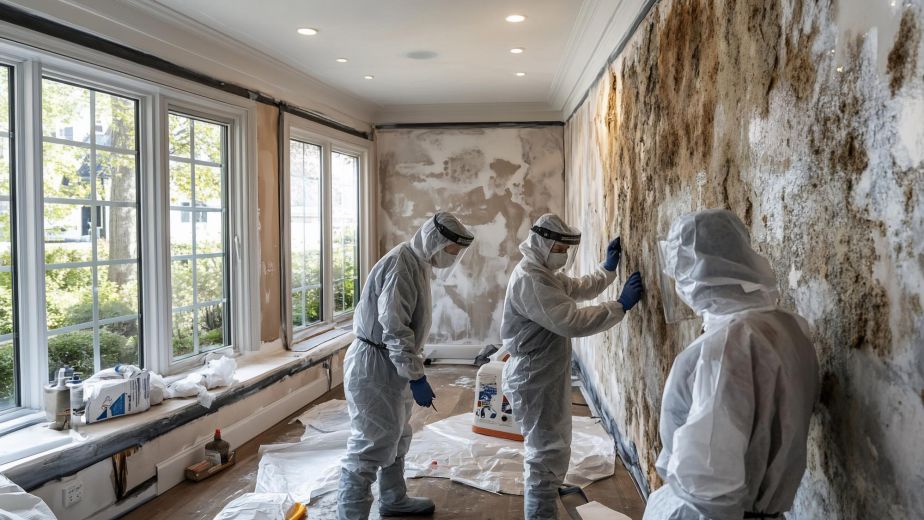
Homeowners also ask what a quote covers. Removal of contaminated material, containment, air filtration, cleaning, and disposal usually form the core of the price. We handle the removal side of the process, and independent firms handle sampling and clearance testing, so those fees sit outside a remediation quote.
Season and demand also play a role. Spring thaw and heavy rain bring a wave of calls, and crew calendars fill quickly. A rush request tied to a home sale or a move date can raise the price, so planning ahead often saves money.
Where Mold Growth Hides
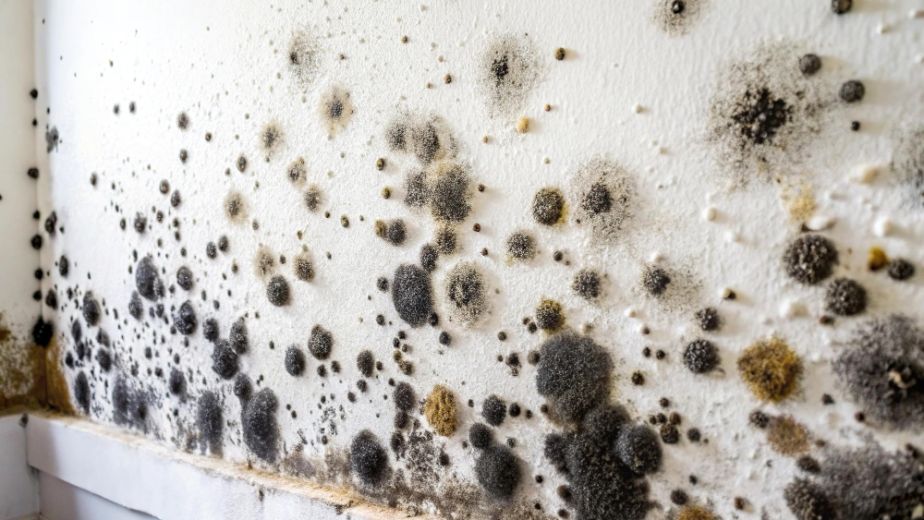
Mold often spreads farther than the visible stain. Moisture travels along studs, insulation, and subfloor, so a spot on the surface may connect to a much larger damp area behind it. Crews open the wall to find the edges, and the final measured area can end up larger than the first estimate.
Material type changes the math as well. Porous items such as drywall, insulation, and carpet padding usually come out and get replaced. Solid framing lumber can often be cleaned and treated in place, which costs less than replacement, if contamination is not extensive. Containment also scales with area. Larger zones need bigger barriers, more air machines, and longer setup and teardown, though those costs spread across more square footage and lower the unit price on bigger jobs.
Location adds another layer. Homeowners looking into mold removal in Boston often deal with narrow stairways, shared walls, and limited parking. Those details add labor hours even when the affected area is small.
Attic Mold Removal Cost, Basement Mold Removal Cost, and Crawl Space Pricing
Where mold grows changes the work as much as how much of it there is. These ranges give a rough picture:
- Attics: Roof sheathing and insulation drive the price, and heat and tight quarters slow crews down.
- Basements: Finished walls, carpet, and stored belongings add labor, and bare concrete cleans up much faster.
- Crawl spaces: Low clearance slows the work, and vapor barrier replacement is often added to the scope.
Attic mold usually traces back to bathroom fans venting into the attic, poor ventilation, or slow roof leaks. Winter condensation is common in Massachusetts homes with thin insulation. Basement growth usually follows groundwater, foundation cracks, or summer humidity, and crawl spaces often collect moisture from bare soil and unsealed vents. Each location needs a different repair plan, and that plan shapes the final bill.
Finished spaces add expense. A basement with paneling, insulation, and carpet gives mold more places to hide, and crews must remove and dispose of more material than they would in an open concrete room.
Fixing the Moisture Source Is Part of the Cost
Mold returns when moisture stays. A remediation crew can remove the growth, but a leaking roof, a failing gutter, or a damp foundation will bring it back within a season or two. Repairs for the source usually fall to a roofer, plumber, or waterproofing contractor, and their invoices sit outside the remediation quote. Homeowners who plan for both bills avoid an unpleasant second round.
A relocated bath fan duct may cost a few hundred dollars. Regrading a yard, adding a sump pump, or sealing a foundation can run into the thousands. A dehumidifier is a modest expense that helps keep basements dry after cleanup.
Coastal humidity adds pressure. Homes on the North Shore face damp winters and muggy summers, so homeowners researching mold removal in Gloucester should ask how they’ll control humidity once cleanup ends. A good plan addresses airflow, drainage, and ventilation alongside the removal.
Documentation helps here. Photos of the repair and a moisture reading after cleanup show that the cause has been handled, which matters if you plan to sell.
What a Remediation Scope Should Spell Out
A written scope turns a price into a plan. These items belong in it:
- Affected areas: Rooms, materials, and measured square footage, listed plainly.
- Containment: Barriers, negative air machines, and steps that protect the rest of the home.
- Removal and cleaning: Which materials come out and which get cleaned in place.
- Disposal: How debris is bagged, labeled, and hauled away.
- Rebuild work: Which drywall, insulation, and flooring get replaced and which stay open for your contractor.
- Schedule and payment: Start date, expected duration, and when payments come due.
When two bids differ by thousands of dollars, line up these items side by side before judging the totals. A lower quote may leave out disposal or containment, and a higher one may include repairs the other left to you. Unit pricing for extra area also helps, because it shows how the total would change if the crew finds more growth.
When a Small Job Turns Into a Big One
A stain the size of a dinner plate can hide a much larger problem. Slow leaks soak insulation, and wet insulation holds moisture against sheathing and framing for months. Once a ceiling darkens, growth may have spread across a full section of attic.
Older homes on the North Shore often hide old leaks behind plaster and paneling. Homeowners scheduling mold removal in Beverly should expect a crew to open more wall than the visible stain suggests. A good contractor explains how they’ll price extra area before work begins.
Storm damage creates a similar pattern. Flooded basements and wet insulation can develop growth within days, and quick drying often keeps the job in the smaller price range.
Fix the Source, Then Protect Your Budget
The final number comes from a few clear pieces: how much area is affected, where the growth sits, what caused the moisture, and how much rebuilding follows. A detailed scope and an honest walkthrough take the surprise out of pricing, and a homeowner who compares bids line by line usually lands on a fair choice. Mold responds to prompt attention, so an early look often keeps the project small.
Spotted a damp corner or a musty odor? Get in touch with us, and we will take a look at what is hiding behind it.
Mold Remediation Cost FAQs
Projects commonly range from about $1,500 for a small contained area to $30,000 or more for widespread growth. A walkthrough gives a far more dependable figure than a phone estimate, because the true size of the problem often sits behind the wall.
Bids differ because contractors measure area, containment, and rebuild work differently. One quote may include disposal, air filtration, and patching, and another may list only removal, so compare line items before comparing totals.
Coverage depends on the policy and the cause of the moisture. Policies often cover mold that follows a sudden event, such as a burst pipe, and often exclude growth from long-term humidity or neglected leaks. Ask your agent about limits and file a claim promptly after water damage.
Small jobs in a sealed basement or attic often allow families to stay home. Larger projects that affect living areas or the HVAC system may call for a short stay elsewhere, so ask the crew about containment and airflow before work begins.