
Quick Summary
Asbestos roof removal involves assessment, containment, removal, and safe disposal of asbestos-containing materials. Licensed professionals follow strict protocols to prevent fiber exposure and comply with regulations. The process includes risk assessments, protective equipment, controlled wetting, careful extraction, decontamination, and air monitoring. Combining removal with remediation projects, such as mold treatment, improves efficiency and safety. Careful planning and professional execution reduce hazards, protect property value, and maintain indoor air quality. Homeowners gain peace of mind and reduce health risks when working with certified asbestos removal specialists.
Older buildings often have asbestos-containing roofs that degrade over time. Understanding asbestos roof removal is important for managing safety and cost. Licensed professionals start by surveying materials to identify asbestos and assess risks.
They create a detailed removal plan covering containment, worker protection, and disposal procedures. Every stage is designed to minimize airborne fibers and protect building occupants.
Careful preparation also helps homeowners comply with environmental regulations while removing hazardous roofing materials safely.
Assessment and Planning
The first step involves inspecting the roof for asbestos-containing materials. Professionals identify the material type, location, and condition before evaluating the level of risk. Risk assessments determine who could be exposed and how asbestos fibers might be released.
Management plans outline removal methods, containment strategies, and required protective measures. Early planning helps the project move forward safely, reduces contamination risks, and maintains regulatory compliance.
- Roofing materials are reviewed to identify areas that may contain asbestos and require special handling.
- The condition of the roof is documented to determine the risk of fiber release during removal.
- Access points, surrounding structures, and nearby occupants are evaluated before work starts.
- Potential hazards, including weather exposure and structural weaknesses, are considered during planning.
- Containment requirements are established to limit the spread of asbestos particles beyond the work area.
- Removal schedules are developed to reduce disruption while maintaining safety throughout the project.
A detailed assessment creates a clear roadmap for the project. It helps contractors resolve potential issues before work begins and gives property owners a complete understanding of the project scope. This preparation creates the foundation for a safer and more efficient removal process.
Legal Compliance and Licensing
Many asbestos-related projects require licensed contractors. Licensing confirms that trained professionals follow approved work practices and use appropriate protective equipment. Authorities often require advance notification before removal begins.
Following these legal requirements protects homeowners and contractors while keeping the project compliant with applicable regulations. These procedures are an essential part of safe and lawful asbestos removal.
Work Area Setup
Professionals establish a controlled work zone before removal begins. Access is limited to trained personnel, while warning signs notify occupants and visitors of potential hazards. Containment barriers and sealed enclosures help keep asbestos fibers within the designated work area. Ventilation controls and air management systems further reduce the possibility of contamination.
Thorough site preparation protects surrounding areas and creates a safer environment for workers and occupants throughout the project.
Personal Protective Equipment
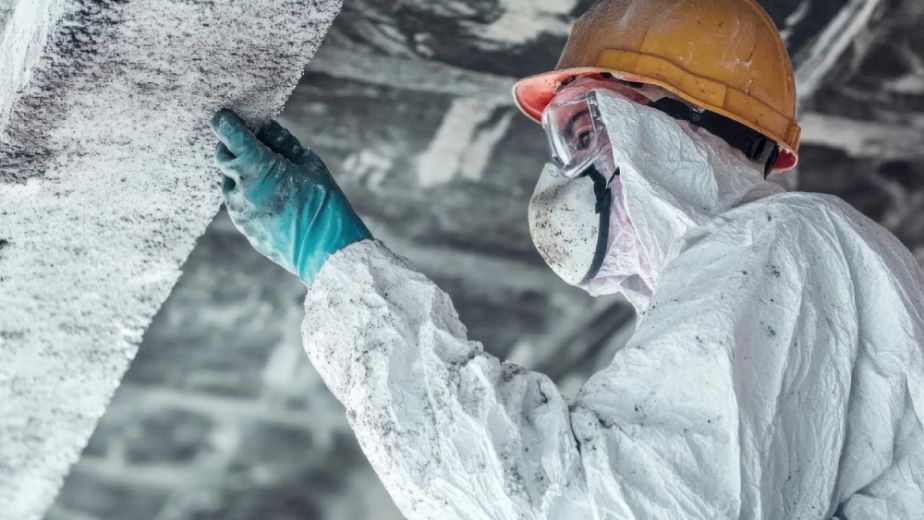
Workers wear full personal protective equipment, including respirators fitted with P3 filters, disposable coveralls, gloves, and eye protection. This equipment prevents asbestos fibers from contacting the skin or being inhaled during removal. Proper PPE use limits exposure and remains mandatory for licensed asbestos removal professionals.
It also reduces cross-contamination, protects worker health, and helps maintain a controlled environment where asbestos fibers remain contained throughout the project.
Removal Techniques
During the removal process, roofing materials are kept damp to reduce airborne fiber release. Hand tools replace power tools whenever possible to minimize dust generation. Each roofing sheet is removed intact to reduce the chance of breaking the material and releasing fibers.
This careful approach protects workers, occupants, and indoor air quality while keeping the project aligned with established safety standards. Controlled handling remains essential for safe asbestos removal.
Waste Handling and Disposal
All asbestos-contaminated materials, including roofing materials, tools, and used PPE, are securely double-bagged, sealed, and clearly labeled before transportation to licensed hazardous waste facilities. Contractors maintain detailed disposal records to comply with environmental regulations.
Proper waste handling prevents secondary fiber exposure, protects workers and occupants, and maintains compliance with federal and state requirements. This controlled process reduces contamination risks and confirms hazardous waste is safely removed from the property.
Decontamination and Air Monitoring
Workers pass through decontamination units after removal to clean protective equipment and tools. The work area is vacuumed and wiped using HEPA-filtered equipment to remove remaining particles.
Air monitoring verifies that fiber concentrations remain below approved safety limits before the area is reoccupied.
Clearance certificates confirm the property meets required safety standards before the project is considered complete.
Integration With Mold Remediation
Some projects involve additional hazards, such as mold. Coordinating asbestos removal with Professional Mold Remediation Services improves efficiency and reduces risk. Simultaneous remediation limits disruption and maintains healthy indoor air.
Planning and Budgeting
Removal costs vary depending on roof size, slope, accessibility, and the type of asbestos-containing materials involved. Consulting licensed professionals early helps homeowners develop an accurate budget and avoid unexpected expenses.
Careful planning also coordinates asbestos removal with other renovation work, reducing delays while maintaining compliance with safety requirements.
Professional Standards
Certified teams follow strict safety procedures and comply with environmental regulations throughout every stage of the project.
At New England Surface Maintenance, we follow meticulous removal methods, handle hazardous materials responsibly, and maintain detailed documentation. This disciplined approach protects workers and occupants, preserves property value by reducing the risk of damage, and maintains healthy indoor air quality.
Our commitment to professional standards keeps every project compliant with regulatory requirements while reducing risks and maintaining a safe environment from start to finish.
Taking Action for Safety
Homeowners should not attempt asbestos roof removal on their own. For guidance, cost estimates, or scheduling, please Contact Us. Our team manages every step safely, from containment to disposal, giving peace of mind and regulatory compliance.
FAQs
The process includes an asbestos survey, risk assessment, site containment, PPE use, controlled wetting, careful material removal, waste handling, decontamination, and air monitoring before final clearance.
Yes. Licensed contractors follow legal requirements, established safety procedures, and approved disposal methods that reduce exposure risks and maintain regulatory compliance.
Yes. Coordinating asbestos roof removal with mold remediation reduces exposure risks, minimizes project interruptions, and improves overall project efficiency.