
Quick Summary
Asbestos in walls is a hidden hazard that can threaten health and property if disturbed. Older homes and commercial buildings often contain plaster, drywall, cement, or insulating boards with asbestos. Identifying these materials requires careful attention to construction era, texture, and manufacturer records. Safe and professional asbestos removal services handle testing, containment, and abatement with regulatory compliance, protecting occupants and property.
Finding asbestos in walls can be alarming and raises concerns about safety and liability. Many older buildings, especially those constructed before the 1980s, contain asbestos in plaster walls, drywall, cement walls, and insulation boards.
Visual inspection alone is rarely enough to confirm its presence. Professional asbestos removal services help ensure proper testing and safe handling, reducing risks linked to asbestos in walls while maintaining a controlled and compliant process.
Identifying Asbestos Plaster Walls
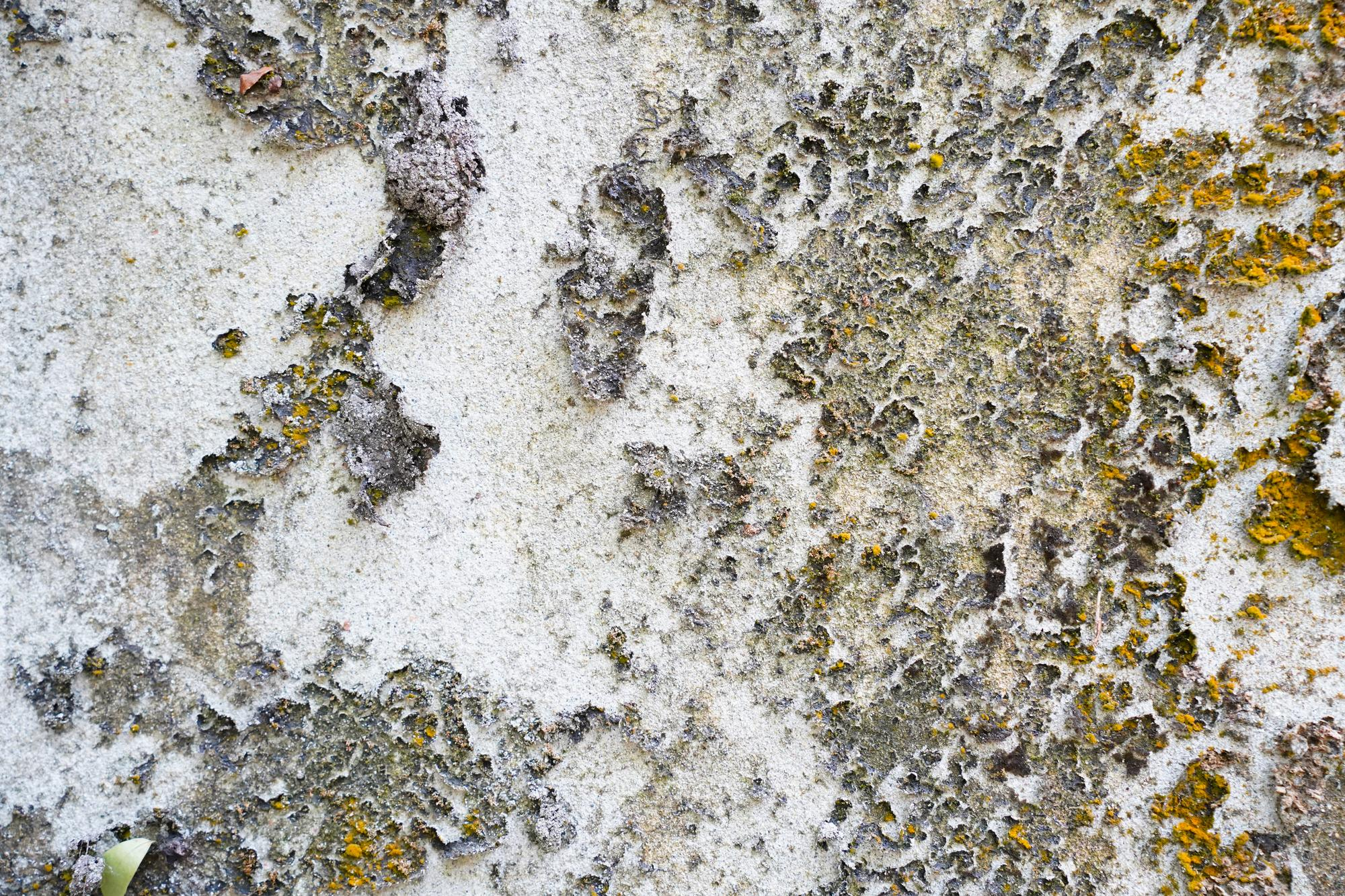
Asbestos plaster walls were commonly used from the 1920s through the 1970s due to their fire resistance, durability, and soundproofing qualities. These surfaces may appear smooth or lightly textured, sometimes showing a dense or pasty consistency in older applications.
Properties built or remodeled before 1980 carry a higher likelihood of containing these materials. Fire-rated wall assemblies in older buildings often signal potential asbestos use, since additives were used to meet fire safety standards at the time.
Several manufacturers were known for producing materials linked to asbestos in walls, including United States Gypsum, National Gypsum, Georgia Pacific, and Synkoloid. Construction records and renovation documentation can help narrow down risk.
Recognizing Asbestos in Drywall and Insulating Boards
Drywall in older construction often included asbestos in joint compounds, finishing tapes, and backing papers. Standard sheet sizes typically ranged from 4 by 8 feet to 4 by 12 feet, with thickness commonly between 1/2 and 5/8 inches.
Asbestos insulating boards, often referred to as AIBs, were also used in partition systems and ceiling assemblies. These boards may resemble modern insulation or fiber panels, making visual identification unreliable.
Many cases of asbestos in walls remain hidden beneath paint, wallpaper, or surface finishes, which makes professional testing the only dependable method for confirmation. A licensed asbestos inspector can safely evaluate materials and determine risk levels.
Textured Ceilings and Popcorn Finishes
Many textured ceilings installed between the 1950s and 1970s contain asbestos. Popcorn ceilings were popular for sound absorption and aesthetic appeal, but the fibrous materials can become friable over time and break down more easily as they age.
This deterioration increases the chance of airborne particle release during disturbance. In many older properties, these finishes are closely associated with other building materials that may also contain asbestos, making inspection even more important.
Disturbing these ceilings, even during minor renovations such as drilling, scraping, or installing fixtures, can release harmful asbestos fibers into the air. Proper identification and handling by trained professionals are necessary to prevent exposure and reduce contamination spread.
Careful assessment is especially important in buildings where asbestos in walls or adjacent wall systems may also be present, since ceiling and wall materials are often interconnected in older construction.
Health Risks of Disturbing Asbestos in Walls
Asbestos is only hazardous when fibers are airborne. Breaking, cutting, drilling, or removing walls that contain asbestos can release fibers that are inhaled and lodge deep in the lungs.
Over the years, exposure can lead to serious illnesses such as asbestosis, mesothelioma, and lung cancer. Construction workers, renovation crews, and building occupants are all at risk, and even secondhand exposure can occur through fibers carried on clothing and shoes.
The health impacts can take decades to manifest, so early identification and professional asbestos remediation are important.
When to Hire Professionals for Asbestos Removal
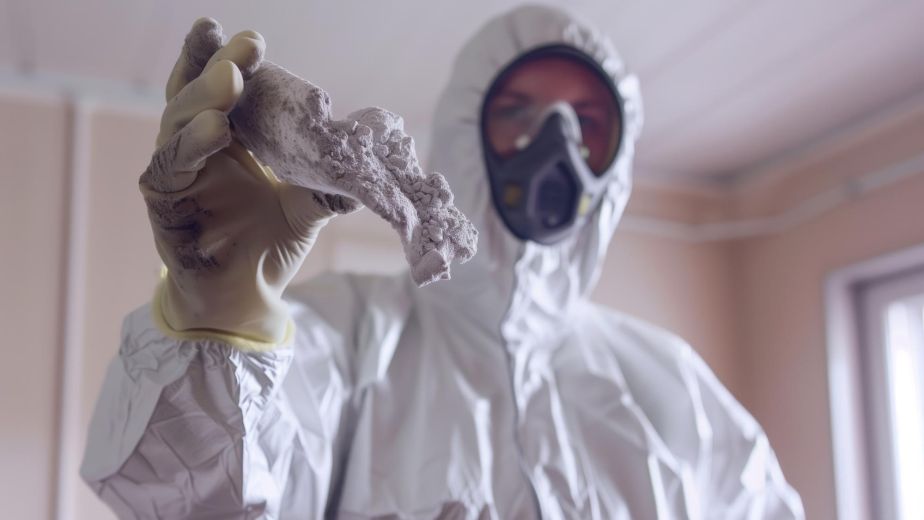
Testing kits exist for collecting samples, but improper handling can increase exposure risk. Safe and professional asbestos removal services follow EPA, OSHA, and RRP Lead regulations to test, contain, and remove materials containing asbestos in walls. Containment systems are set up to control airflow, and specialized protective equipment is used throughout the process.
After removal, cleanup and clearance testing confirm whether the area is safe for re-occupancy. Relying on trained professionals reduces the chance of contamination spread and avoids costly errors linked to improper handling of asbestos in walls.
Additional Signs and Documentation to Consider
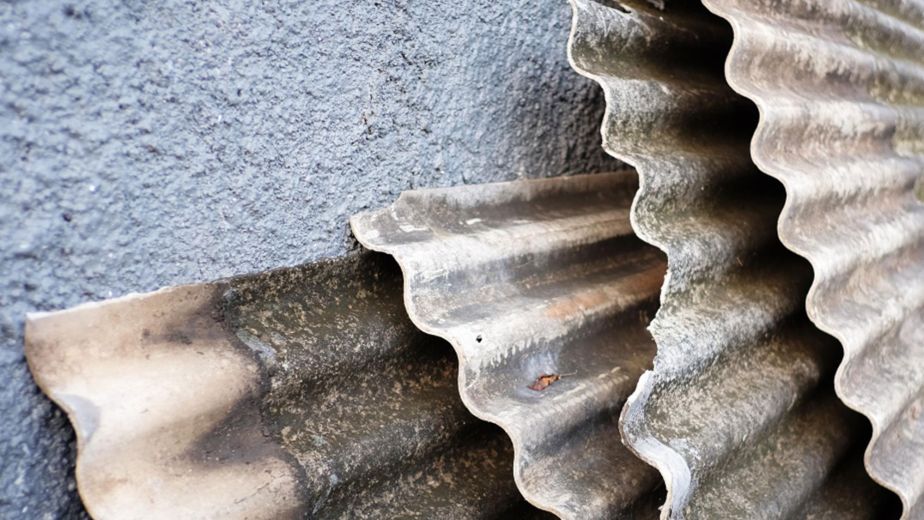
Additional indicators of asbestos in walls include older cement wall systems, fire-rated plaster assemblies, and insulation materials commonly used in mid-20th-century construction.
Reviewing building permits, renovation histories, and manufacturer records can help identify potential risks. Many older schools, municipal buildings, and commercial facilities used asbestos-containing materials extensively for fire protection and durability.
Any renovation, demolition, or maintenance work in these environments should begin with a professional inspection to evaluate the likelihood of asbestos in walls and determine safe next steps.
Schedule Safe Asbestos Removal Services Today
Asbestos in walls is a hidden hazard that requires careful handling. At New England Surface Maintenance, we combine experience, safety, and regulatory compliance to remove asbestos completely while minimizing exposure risks.
Our work with schools, municipalities, and homeowners demonstrates our professionalism, reliability, and adherence to EPA, OSHA, and RRP Lead regulations. We go above and beyond to protect property and occupants while maintaining a clean record and passing inspections.
Schedule our safe and professional asbestos removal services today to secure your home or facility and restore a safe indoor environment.
FAQs
Older plaster walls, drywall with joint compounds, cement walls, and asbestos insulating boards are most likely to contain asbestos, especially in homes built before 1980.
A licensed asbestos inspector should perform testing. Professionals take samples and analyze them in a controlled lab environment to accurately identify asbestos.
Do not attempt to remove it yourself. Our safe and professional asbestos removal services handle containment, removal, and disposal according to EPA and OSHA standards.