
Quick Summary
Asbestos removal work involves identifying asbestos-containing materials, assessing exposure risks, and managing the removal process through controlled containment and disposal. Proper procedures protect occupants and workers, maintain indoor air quality, and prevent legal or regulatory issues. Licensed contractors follow strict protocols to minimize fiber release, conduct decontamination, and perform final inspections. Integrating asbestos removal with other remediation, such as mold treatment, enhances safety. Accurate planning and professional handling reduce hazards, support compliance with EPA and OSHA regulations, and preserve property value in Massachusetts homes.
The presence of asbestos in older buildings presents significant health risks. Understanding how asbestos removal work is performed helps homeowners anticipate costs and maintain safe environments.
Professionals begin with detailed surveys to identify asbestos-containing materials, followed by risk assessments and comprehensive management plans. Licensed contractors establish controlled work areas and use specialized removal techniques to limit fiber release.
A clear understanding of the process helps protect occupants from exposure while maintaining compliance with state and federal regulations.
Identification and Risk Assessment
The first step in asbestos removal work is identifying the presence, type, and condition of asbestos-containing materials.
Surveys classify materials as friable or non-friable and identify locations where fibers could be released during disturbance. A detailed risk assessment highlights areas with the highest exposure potential and identifies individuals who may be affected.
Management plans outline the required safety procedures, equipment, and removal techniques. Thorough documentation guides licensed contractors throughout the project and reduces the risk of accidental contamination.
Licensed Contractor Involvement
Many asbestos removal projects require contractors to hold appropriate licenses issued by the relevant authorities.
High-risk work involving pipe lagging, insulation boards, sprayed coatings, or loose-fill insulation requires specialized certification and training. Licensing confirms that workers follow approved safety procedures and use appropriate protective equipment.
Hiring a licensed contractor helps homeowners comply with legal requirements related to containment, air monitoring, and hazardous waste disposal. Contractors also submit required notifications to the appropriate agencies before work begins.
Containment and Removal Techniques
During removal, licensed teams isolate affected areas using sealed polythene barriers and reinforced timber framing to prevent asbestos fibers from spreading. Controlled wetting methods reduce dust generation and minimize airborne fiber release.
Specialized hand tools and equipment are used to remove asbestos-containing materials safely while reducing unnecessary disturbance. Air monitoring systems continuously measure fiber concentrations throughout the project.
Waste Management and Decontamination
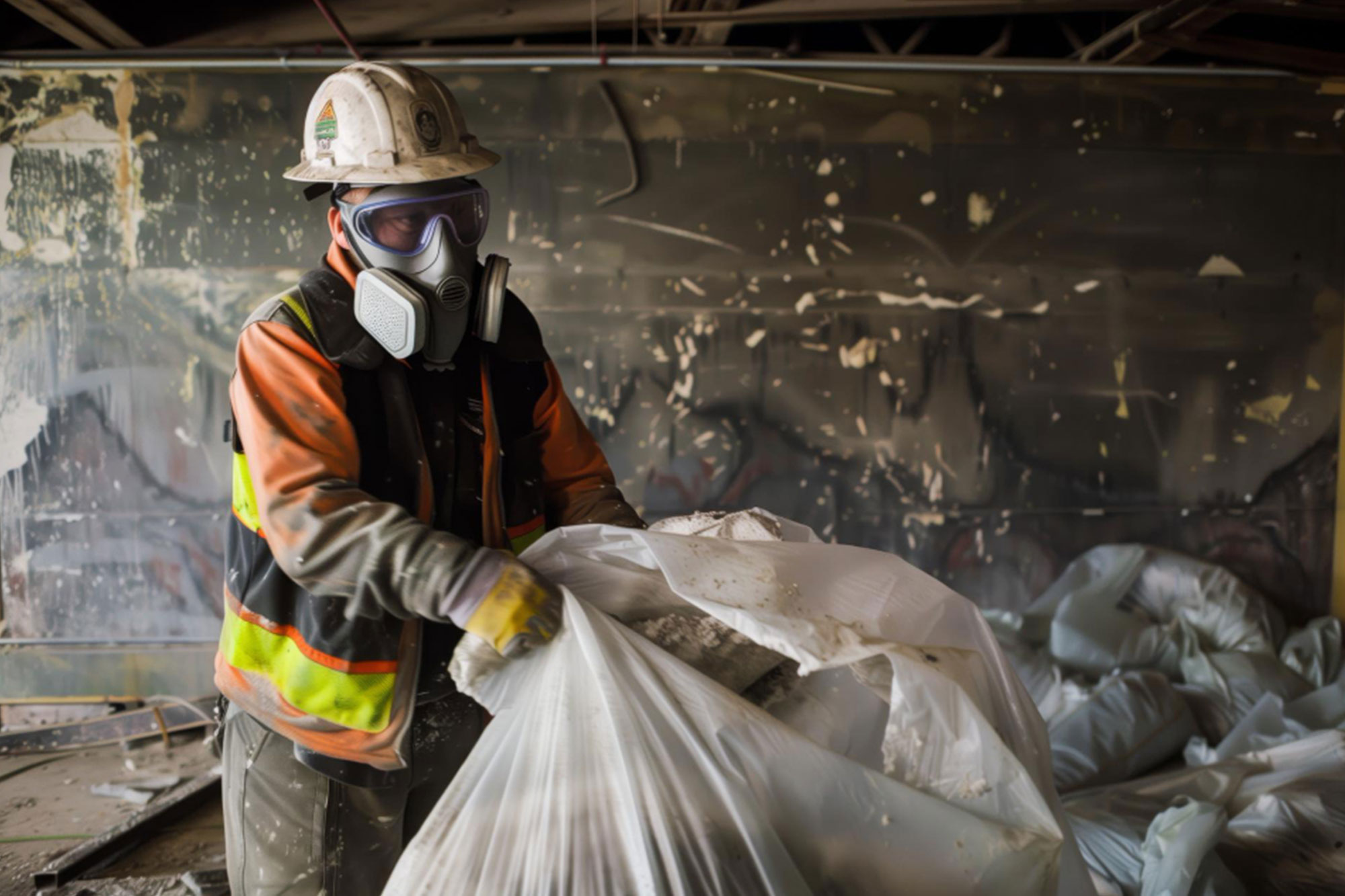
All asbestos-contaminated materials are double-bagged, sealed, labeled, and transported to licensed hazardous waste disposal facilities. Workers complete decontamination procedures at the end of each shift to remove residual fibers from protective clothing and equipment.
Once removal is complete, surfaces are cleaned using HEPA-filtered vacuums and damp wiping methods to eliminate remaining debris. Accredited laboratories perform final inspections and air testing to verify that the area meets approved safety standards before occupants return.
These procedures help maintain compliance and create a safe environment for reoccupation.
Integration With Mold Remediation
Some properties may require simultaneous remediation of microbial contaminants. Combining asbestos removal with professional mold remediation services reduces exposure risk, limits disruption, and streamlines the remediation process. Coordinated management allows homeowners to address multiple hazards efficiently while maintaining indoor air quality.
Planning and Cost Considerations
Homeowners should expect asbestos removal projects to include labor, containment materials, asbestos testing, air monitoring, transportation, and disposal costs. The size of the affected area, accessibility, and the type of asbestos-containing material all influence the final project cost.
Early planning helps homeowners coordinate removal with renovation schedules, manage budgets more effectively, and reduce unexpected delays.
Professional Standards in Asbestos Removal
Certified teams follow all applicable state and federal regulations for safe asbestos removal, containment, transportation, and disposal.
New England Surface Maintenance follows proven procedures, maintains clear communication throughout every project, and keeps detailed documentation from start to finish. Our approach reduces hazards, protects property integrity, maintains indoor air quality, and helps homeowners manage project costs while remaining compliant with all regulatory requirements.
Next Steps for Homeowners
Residents should not disturb suspected asbestos materials. For evaluations, cost estimates, or scheduling removal, please Contact Us. Our team manages every step safely, from containment to disposal, protecting health and maintaining regulatory compliance.
FAQs
The process begins with asbestos surveys and material identification, followed by risk assessment, containment, controlled removal, hazardous waste disposal, decontamination, and final air testing before the area is cleared for reoccupation.
Yes. Licensed contractors receive specialized training, use appropriate protective equipment, follow approved containment procedures, and comply with legal disposal requirements to reduce health and environmental risks.
Yes. Combining asbestos removal with mold remediation reduces exposure risks, minimizes disruption, and creates a more efficient approach to managing multiple environmental hazards.