
Quick Summary
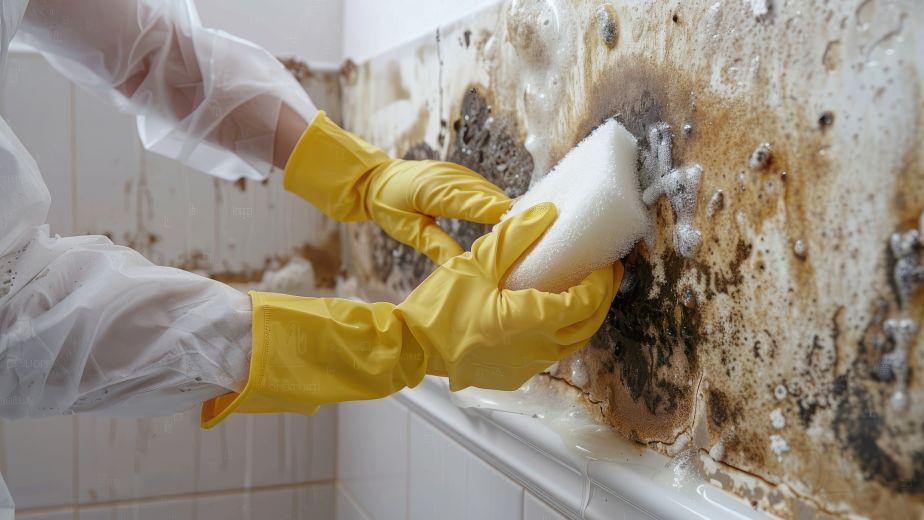
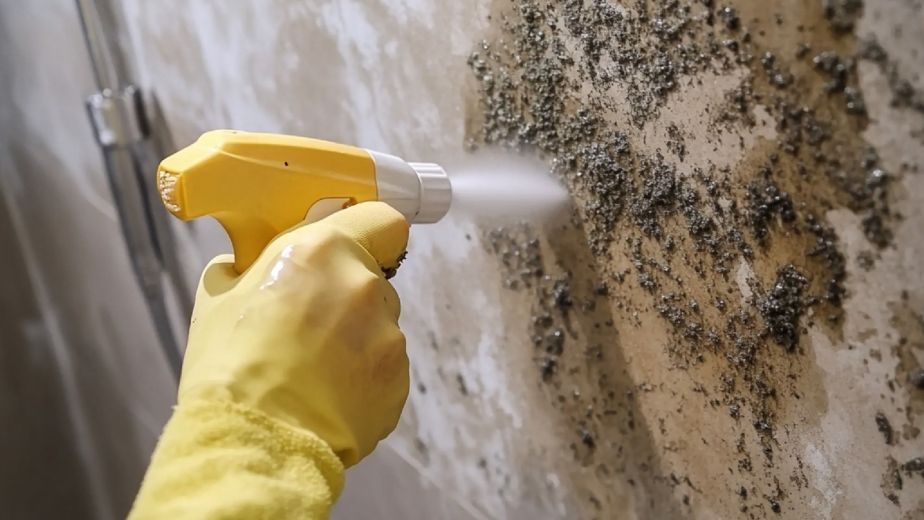
Drywall mold growth is caused by moisture, poor ventilation, leaks, and other environmental conditions. Left untreated, mold can damage walls, reduce indoor air quality, and create health concerns. Effective drywall mold removal begins with identifying the source of moisture, eliminating the cause, and removing contaminated materials safely. Professional services reduce exposure risks, contain mold spores, and coordinate cleanup with other remediation work when needed. Homeowners who respond quickly can protect their property, reduce repair costs, and maintain a healthier indoor environment.
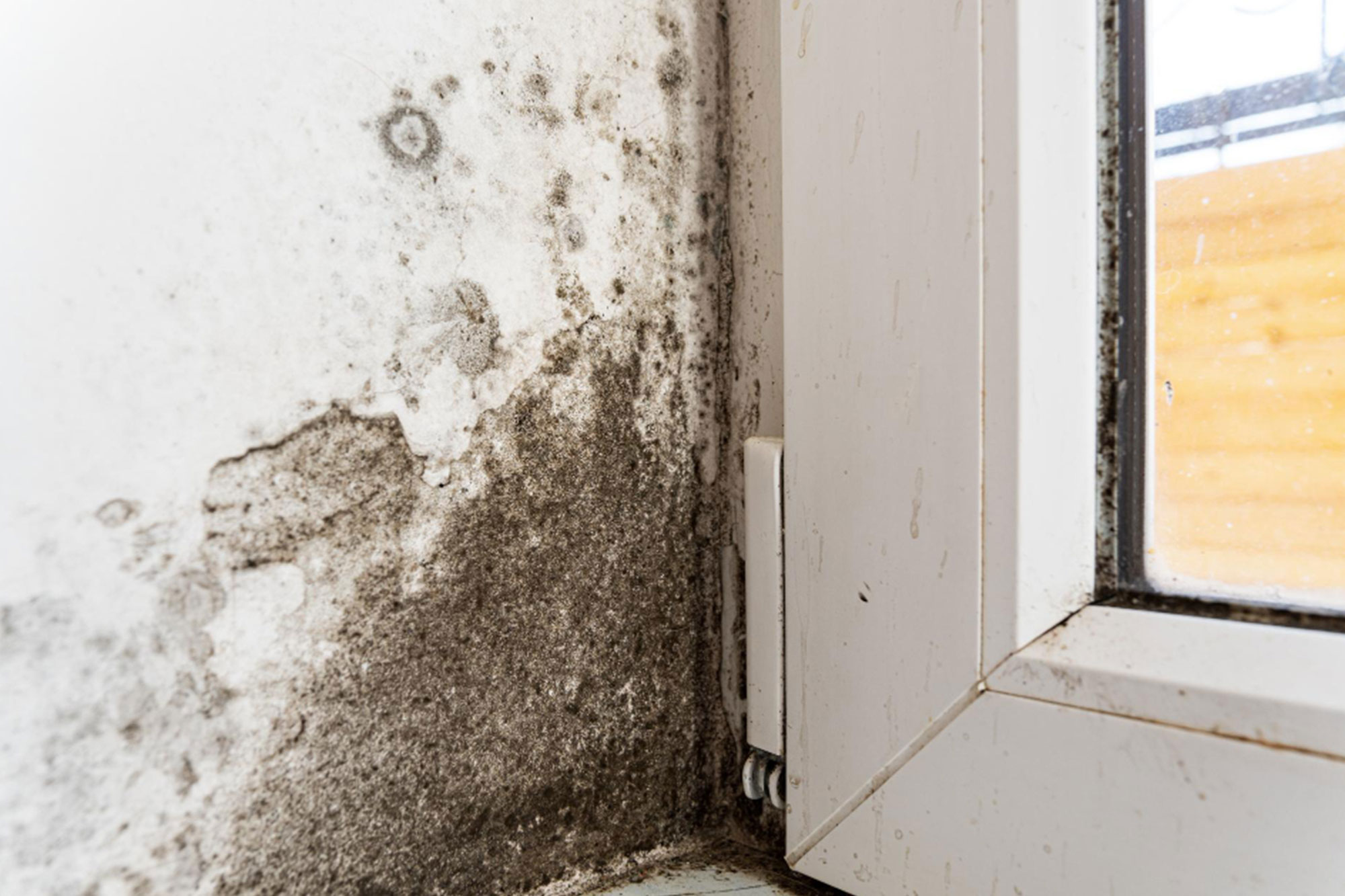
A musty odor or small dark patches on walls often indicate mold growth.
Knowing drywall mold removal allows homeowners to take action before damage spreads. Mold thrives behind drywall with cellulose cores where moisture accumulates. Hidden plumbing leaks, condensation, or poor ventilation create conditions for spores to develop.
Resolving the issue safely involves removing damaged drywall, controlling moisture, and preventing future growth. Professional remediation protects occupant health, preserves property, and maintains indoor air quality throughout the process.
Common Cause: Leaks in Plumbing and Roofs
Hidden leaks behind walls or ceilings are among the leading causes of mold growth. Persistent water leaks saturate drywall, creating an environment where mold can develop rapidly.
Over time, moisture weakens wall materials and encourages spores to multiply. Detecting leaks early reduces future mold problems and helps avoid expensive repairs. In many situations, professionals combine plumbing or roof repairs with drywall mold removal to eliminate the source of the problem.
A thorough inspection of plumbing lines, roof flashings, and surrounding materials helps prevent water from reaching interior walls. Removing affected drywall in a controlled manner reduces the risk of mold spores spreading into unaffected areas.
Condensation and Humidity
High indoor humidity, window condensation, and poorly ventilated spaces create favorable conditions for mold growth. Bathrooms, kitchens, laundry rooms, and basements are especially vulnerable.
Drywall that remains damp from condensation gives mold spores an ideal environment to grow. Managing humidity with improved ventilation, dehumidifiers, and proper insulation significantly reduces the likelihood of mold returning.
Professionals recommend monitoring indoor humidity levels, especially in areas where moisture is generated regularly. Promptly drying wet surfaces helps stop mold before it becomes established and contributes to long-term wall protection.
Poor Ventilation
Limited airflow traps moisture inside walls and creates damp conditions that encourage mold growth. Older homes with sealed windows or outdated ventilation systems often experience this issue.
Installing exhaust fans, improving air circulation, or upgrading ductwork helps reduce moisture accumulation. Pairing these improvements with drywall remediation helps keep wall cavities dry and reduces the chance of future mold development.
Structural Damage and Cracks
Cracks in drywall create pathways for water to penetrate behind finished surfaces. Damaged drywall dries slowly, increasing the risk of mold growth.
Repairing damaged sections and replacing contaminated drywall are essential parts of a complete remediation strategy. Inspecting wall framing for hidden water damage before installing new drywall is equally important.
Professionals may reinforce weakened framing and apply mold-resistant treatments before replacement. Correcting structural issues helps prevent mold from returning after cleanup.
Flooding or Water Damage
Homes affected by flooding or heavy water intrusion frequently develop mold inside wall cavities. Drywall absorbs water quickly, creating conditions where fungal growth can spread rapidly.
Removing contaminated drywall and thoroughly drying the underlying structure reduces the spread of spores. Flood remediation often includes inspecting insulation, electrical systems, and wall framing for hidden moisture.
Professional remediation confirms the property is safe for occupancy and reduces the risk of long-term structural damage.
Leaky Windows or Poor Drainage
Faulty window seals, damaged flashing, and poor exterior drainage can direct water into wall assemblies without obvious signs of damage.
Moisture trapped behind drywall often remains unnoticed until mold becomes visible or a musty odor develops. Gutters that overflow or landscaping that directs water toward the foundation can make the problem worse.
Correcting exterior drainage issues and repairing leaking windows are important steps before replacing damaged drywall. Improving water management around the home reduces the chance of recurring mold problems and protects interior wall systems from future moisture intrusion.
Attic or Roof Moisture
Roof leaks and excess attic humidity often affect more than the ceiling. Water can travel through insulation and framing before reaching drywall inside the walls.
Since these areas remain hidden, mold may continue growing long before homeowners notice visible damage.
Successful remediation addresses both the damaged drywall and the source of moisture. Roof repairs, improved attic ventilation, and insulation upgrades help keep moisture levels under control while reducing the likelihood of future mold growth.
HVAC and Airflow Issues
Heating and cooling systems can contribute to mold growth when excess humidity, condensation, or poor airflow creates damp conditions inside wall cavities. Dirty ductwork, blocked vents, and improperly balanced HVAC systems may circulate mold spores throughout the home while increasing indoor moisture.
Evaluating the HVAC system as part of the remediation process helps identify environmental conditions contributing to mold growth.
Appliance Leaks
Leaking washing machines, dishwashers, refrigerators, or water heaters can saturate nearby drywall. Even slow leaks create enough moisture for mold to develop over time. Prompt leak detection and controlled drywall removal prevent mold from spreading through surrounding walls.
Professionals identify and repair the source of the leak before replacing damaged materials. Thorough drying of the affected area helps create healthier indoor conditions and reduces the chance of future mold growth.
Integration With Other Hazardous Material Removal
Some drywall mold removal projects coincide with other environmental hazards. Combining remediation with safe & professional asbestos removal services reduces exposure risk and improves safety.
Coordinated removal prevents cross-contamination and limits disruption to occupants.
Prevention After Removal
Once contaminated drywall has been removed, moisture control becomes the top priority. Dehumidifiers, proper insulation, and mold-resistant building materials reduce the likelihood of future mold growth.
Regular inspections and routine maintenance contribute to long-term results. Good ventilation, prompt cleanup of water intrusion, and consistent humidity monitoring help keep wall cavities dry.
These preventive measures complement professional remediation and help maintain healthy indoor air quality.
Professional Approach and Safety Standards
Certified remediation teams follow strict safety procedures that include personal protective equipment, containment systems, and proper disposal of contaminated materials.
New England Surface Maintenance follows careful remediation methods, maintains detailed documentation, and completes controlled removal procedures that protect indoor air quality and reduce exposure risks.
Our approach restores healthier living conditions while protecting the long-term value of your property.
Next Steps for Homeowners
For evaluation, cost estimates, or scheduling, please Contact Us. Our team handles drywall mold removal safely and thoroughly, reducing health risks and preventing further damage.
FAQs
Excess moisture from leaks, condensation, floods, poor ventilation, or high humidity promotes mold development behind drywall.
For areas under 10 square feet, controlled DIY cleanup may work. Larger infestations require professional intervention to prevent spore spread.
Controlling moisture, improving ventilation, using dehumidifiers, and installing mold-resistant materials help prevent mold from returning.