
Quick Summary
Mold activity on the South Shore peaks in September because summer moisture lingers in building materials just as cooler nights bring condensation. Older coastal homes, damp basements, and poorly vented attics feel the effects first. Musty odors, peeling paint, and stains often appear before visible growth. Controlling humidity and drying wet items quickly can keep a small patch from becoming a larger repair.
September brings cooler mornings to the South Shore, along with the last stretch of heavy humidity. Windows close as evenings cool, air conditioners cycle on and off, and moisture lingers in walls, closets, and basements.
The signs of mold in house corners and lower levels often appear at this time of year, sometimes weeks after the muggiest days have passed. At New England Surface Maintenance, we watch the calls climb from Plymouth to Hull as summer winds down. Homeowners who spot early warning signs can act before a small patch turns into a large project.
Humidity and Mold in Massachusetts: Why the South Shore Peaks in Late Summer
Mold needs moisture, warmth, and a food source, and late summer along the South Shore provides plenty of each. Ocean water stays warm well into September, and sea air carries moisture inland on light breezes. Nights cool down slowly, so damp materials get little chance to dry out between humid days.
Weeks of muggy weather leave their mark. Wood, drywall, insulation, and cardboard absorb moisture little by little, and by September they can hold enough to feed growth. Heavy rain from late-season storms adds more water to basements and crawl spaces that are already damp.
Indoor habits play a part as well. Families close windows when the evenings cool off, and air conditioners run in short cycles that cool a room without removing much moisture. Indoor humidity often climbs above the 30 to 50 percent range that building professionals commonly recommend. Once the number stays high for a few weeks, mold can take hold on walls, ceilings, and stored belongings.
Professional mold remediation crews see calls rise as a result. Humidity and mold in Massachusetts go hand in hand, and September ranks among the toughest months because summer’s stored moisture overlaps with fall’s first cool nights. Condensation forms on basement walls, ductwork, and roof decks, and that fresh moisture lands on already damp materials.
Coastal Humidity and Older Housing Stock
Older homes carry the coast’s story in their walls. Cape Cods, colonials, and converted summer cottages fill towns from Hull to Plymouth, and several were never designed for year-round living. Fieldstone and poured concrete foundations let moisture seep through slowly. Crawl spaces often have dirt floors with little or no vapor barrier. Windows leak air, insulation runs thin, and attic ventilation may no longer match a roofline that has grown through decades of additions.
Summer cottages bring their own patterns. Homes that sat closed for part of the year hold stale, damp air, and owners who winterize them for full-time use sometimes seal in moisture that used to escape. Homeowners looking into mold removal in Marshfield often describe cottages like these, where a sunroom or basement addition sits on a slab without proper moisture control.
Renovations change airflow too. Tighter windows, new siding, and added insulation improve comfort and can trap humidity when ventilation lags behind. A house that stayed dry for fifty years may start showing problems after an upgrade, and the first signs usually appear in the coldest corners.
Where It Shows Up First: Basement Mold on the South Shore
Basements collect the first complaints. Cold concrete meets warm, damp air, and water condenses on the walls and floor. Cardboard boxes, carpet, and furniture pushed against foundation walls soak up that moisture and give mold an easy meal. A dehumidifier with a full bucket or a sump pump that struggled during a storm can tip a damp basement into a mold problem within days.
Attics follow a different pattern. Warm air from bathrooms and living spaces rises and meets a roof deck that cools quickly on clear September nights. Condensation forms on the underside of the sheathing, and dark spots appear along rafters and around vents. Bath fans that empty into the attic instead of outdoors make the problem worse.
Crawl spaces add another layer. Dirt floors release moisture upward through the summer, and open vents can pull humid outdoor air across cooler joists, where it condenses. Homeowners dealing with mold in Plymouth, MA often mention crawl spaces beneath older additions and ranch-style homes. The damp smell in the rooms above usually points back to that hidden space.
Warning Signs of Mold in Your House That Homeowners Miss
Visible growth is the obvious signal, yet quieter clues often show up first. Watch for these:
- Musty odor: A damp, earthy smell in a closet, basement, or bedroom often points to growth behind a surface.
- Peeling or bubbling paint: Moisture trapped in a wall can push paint away from drywall or plaster.
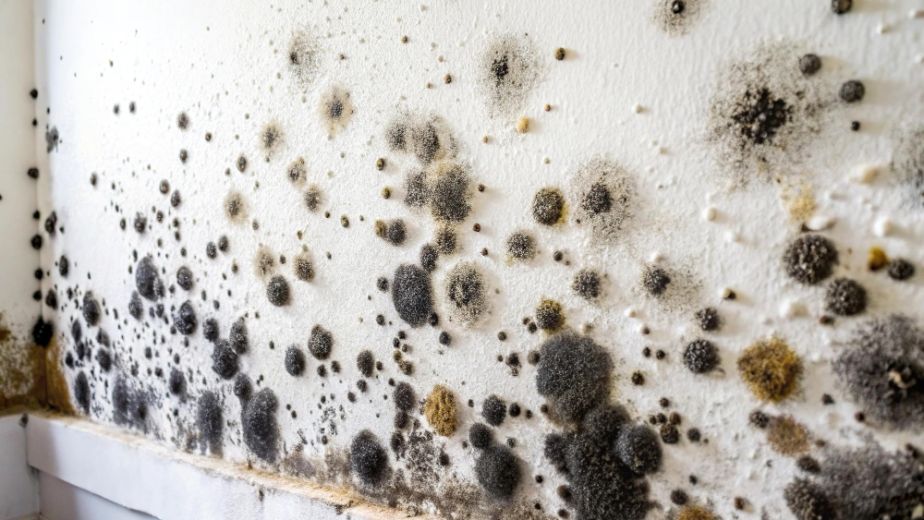
- Stains and discoloration: Yellow, brown, or gray patches on ceilings and walls may signal a slow leak or a condensation problem.
- Warped flooring: Boards that cup or lift at the edges can point to moisture from below.
- Foggy windows: Persistent condensation on glass suggests indoor humidity is running high.
- Allergy symptoms: Sneezing, coughing, or itchy eyes that ease when you leave the house may connect to indoor mold.
- Clammy fabrics: Towels, clothing, and paper that feel damp in a closed room deserve a closer look.
Homeowners often miss these clues in places they visit infrequently, such as the back of a closet, the space behind a couch, or the attic hatch. A stain on its own may come from something other than mold, and independent testing firms can confirm what a patch contains. We focus on the removal side of the work, and a clear picture of the moisture source makes that work more effective.
What to Do Before It Spreads
Small habits make a real difference in September. These steps keep conditions from getting worse:
- Lower indoor humidity: Run a dehumidifier in the basement and aim for 30 to 50 percent.
- Use exhaust fans: Bath and kitchen fans should vent outdoors, not into the attic.
- Dry wet items quickly: Towels, rugs, and furniture that got damp should dry within a day or two.
- Move stored items: Lift boxes off basement floors and away from exterior walls.
- Check the outside: Clear gutters and confirm that the soil slopes away from the foundation.
- Skip the bleach: Bleach may lighten a stain on a hard surface without reaching the roots inside porous material.
- Take photos: Pictures of stains and humidity readings help a contractor see how conditions change over time.
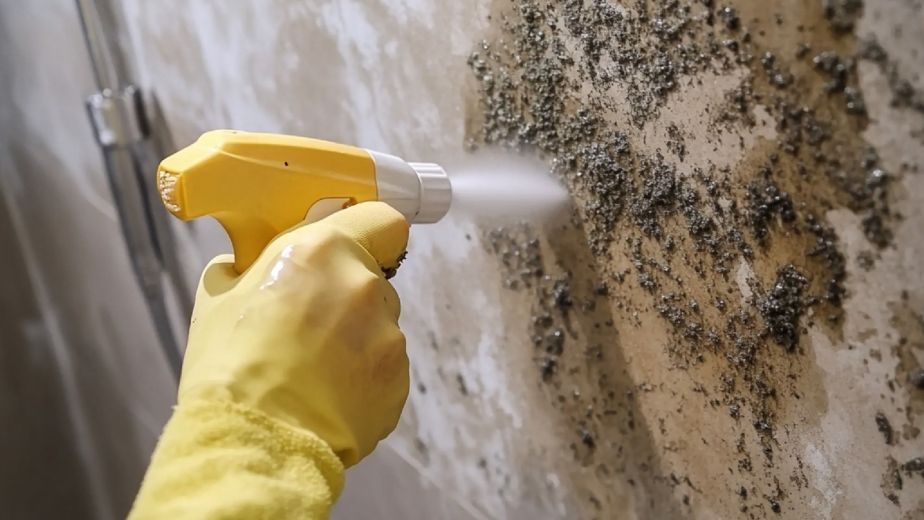
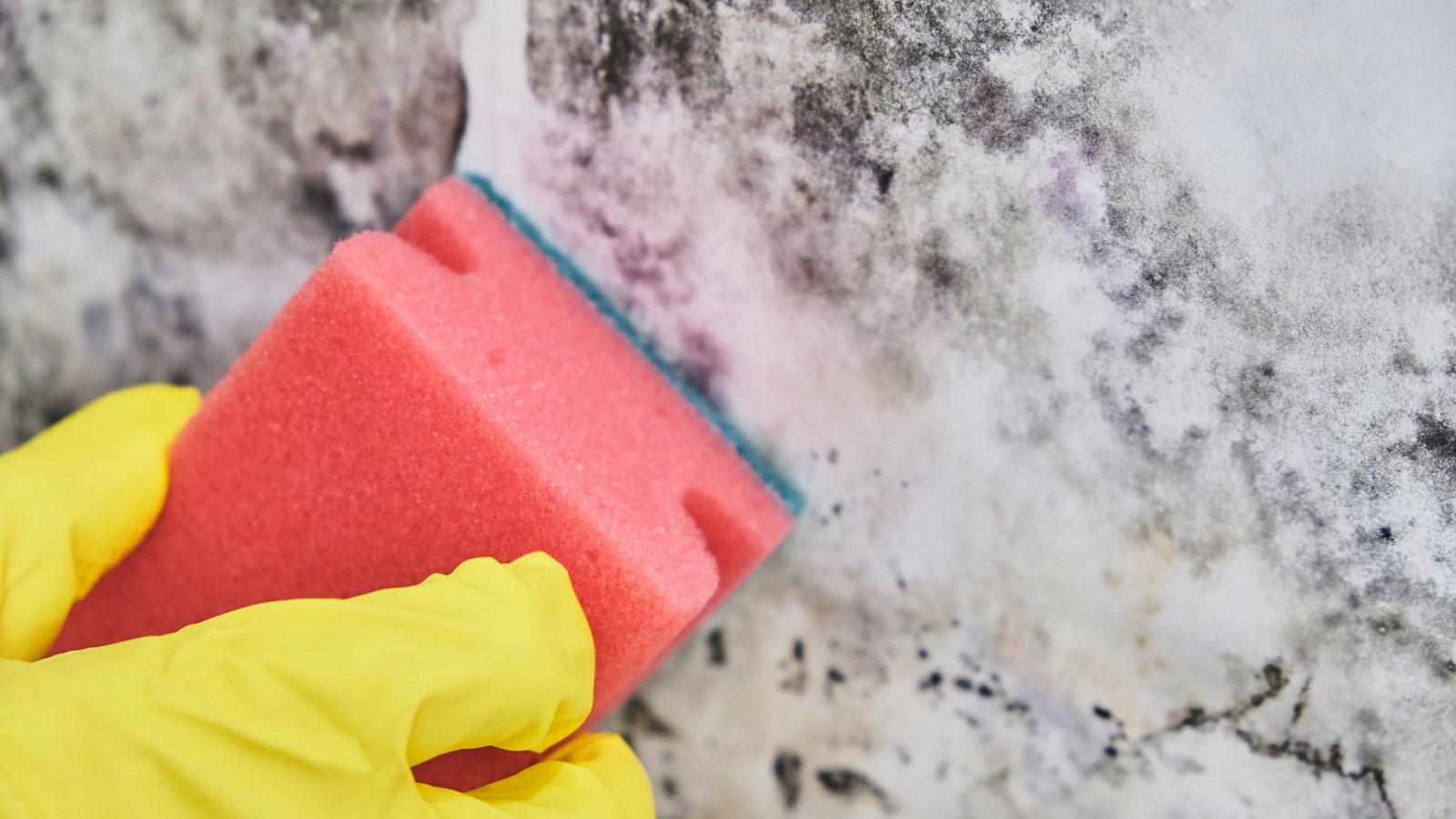
Homeowners can sometimes clean small, surface-level spots on hard, nonporous material while wearing gloves and a mask. Larger areas, repeated growth, or anything tied to a leak call for a professional look.
Federal guidance often uses about ten square feet as the point where professional help makes sense. Porous materials such as drywall, insulation, and carpet padding usually come out once mold has taken hold.
Communities We Serve on the South Shore
We work across the South Shore, and each town brings its own conditions. In Scituate, harbor-side homes deal with salt air, fog, and basements close to the water table. Homeowners searching for mold removal in Scituate often describe damp lower levels that stay wet for days after storms.
Hull sits on a narrow peninsula with sea air on both sides, so humidity reaches homes from several directions. Families looking into mold removal in Hull often report musty closets and cottages with limited airflow. Marshfield and Plymouth add larger lots, wooded properties, and a mix of new construction and older neighborhoods. Shade and leaf cover slow drying around foundations, and that can extend the damp season well past Labor Day.
Catch It Now, Before Fall Rains Settle In
September gives homeowners a useful window. Humidity is still high, the first cool nights are arriving, and early growth is easy to notice if you check the basement, the attic hatch, and the closets along exterior walls. Lower the humidity, dry what got damp, and take photos of anything that looks unusual. Small steps taken now often keep a modest patch from becoming a larger repair after the fall rains arrive.
Noticed something odd in the basement this month? Send our team a message and describe what you are seeing.
South Shore Mold FAQs
Building materials absorb moisture all summer, and cooler September nights create condensation on surfaces that are already damp. Late-season storms can add water to basements before they dry out, giving growth a strong start heading into fall.
No number removes the risk, though indoor readings below about 50 percent make growth far less likely. A small hygrometer costs little and shows how the level changes through the day. Basements often need a dehumidifier to hold that range through humid weather.
You can often clean a small patch on a hard surface with detergent and water while wearing gloves and a mask. Mold in drywall, insulation, or ductwork calls for a professional. Repeated growth also deserves a contractor, because the moisture source usually needs attention.
Mold returns when the moisture source remains. A leaking pipe, a damp foundation, or poor ventilation can bring growth back within a season. Fixing the cause and checking moisture readings after cleanup gives the best chance of a lasting result.
Opening windows can pull humid outdoor air into a house, so a dehumidifier and bath or kitchen exhaust fans work better on muggy days. Save window ventilation for dry, breezy days, when fresh air helps dry out rooms.